Is It Anxiety? Understanding Stress and Overwhelm in Autistic Children
Updated on October 8, 2026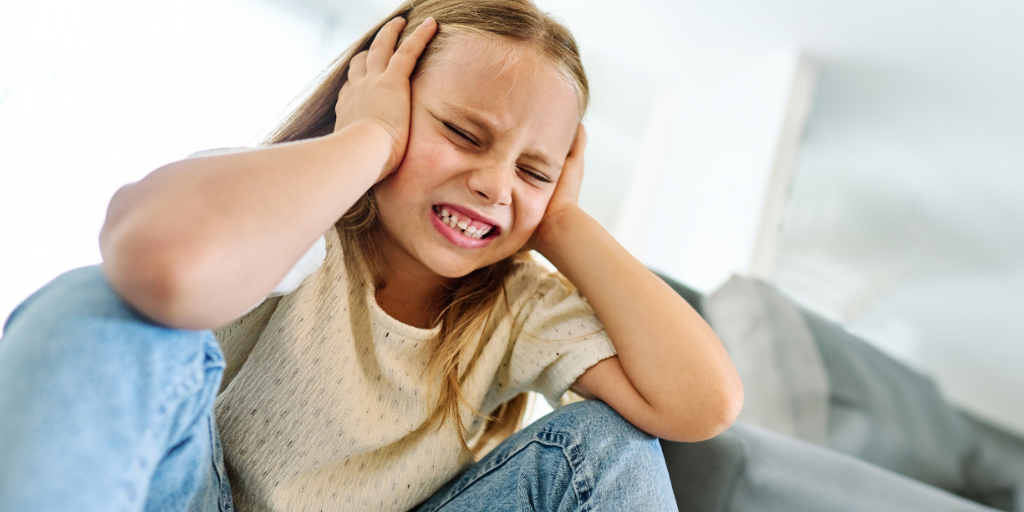
Many autistic children experience anxiety, but not always in the ways that a parent would expect. For one child, a change in plans may lead to tears, while for another it might look like withdrawing or becoming unusually quiet.
All kinds of triggers can cause an autistic child to feel overwhelmed. Uncertainty, sensory overload, changes in routine, communication difficulties, social situations, and specific fears all contribute to anxiety. Because every child communicates autism anxiety symptoms differently, it’s not always easy to recognize the signs.
Below, we will guide you through how to identify patterns and situations that tend to trigger autistic child anxiety, as well as how to respond with the right supports. Remember: it’s not that your child is simply being difficult or oppositional for no reason. Rather, something is causing them to feel overwhelmed, and there are concrete steps to help both of you feel better.
Why Are Autistic Children More Prone to Anxiety?
The statistical link between anxiety and autism is quite strong. Over the course of their lifetime, approximately 80% of people with autism experience anxiety disorders. On the plus side, this means that not every autistic child is anxious on a frequent basis. Still, many of the initial signs of anxiety in autism emerge during childhood, when more than 40% of anxiety in autism cases first appear.
A helpful way to understand the prevalence of anxiety triggers in autistic children is to think about the classic definition of this condition. Autism has been described as the tendency to focus mainly on one’s own internal world, with “autos” meaning “self”. In other words, people with autism are often wrapped up in their own thoughts and preferences, and can have a negative reaction when ‘forced’ out of this frame of mind.
This expresses itself in various ways:
- People with autism strongly prefer routine and predictability in essentially everything they do, from what they wear to what they eat and how they entertain themselves.
- As a result, autistic people do not like it when they are told to stop what they are doing or encounter new, unexpected situations.
- Because they are so focused on the present, they have difficulty understanding or anticipating what will happen next.
- They are affected by physical sensitivity to their environment and have difficulties with social skills; many also find communication challenging, especially those who are non-verbal.
Common Triggers of Anxiety in Autistic Children
From home to school and everywhere in between, children encounter situations that can trigger stress or anxiety. However, the precise elements that cause anxiety in autistic children depend on the individual. As a caregiver, it is critical for you to learn about your child’s autism sensory overload and anxiety markers as the first step towards building a coping plan. Here are some of the common situations that may trigger anxiety:
Unexpected Changes
These include transitions, like moving from one classroom to another; unfamiliar places or people, especially when an unknown person tries to communicate; and separation from parents, particularly when the child is young. Even if a certain event has happened many times before, if the change comes as a surprise to them, that may be enough to trigger anxiety for the child. A classic example is autism separation anxiety that pops up because a parent happens to leave home earlier than usual that day.
Sensory Issues
Autism sensory sensitivities and anxiety can be triggered by a variety of stimuli: loud noises, bright lights, clothing that is irritating, or a new food that the child immediately dislikes. Many autistic people also avoid crowds and are particularly sensitive to temperature.
Social Anxiety and Autism
Autism anxiety at school can be triggered by bullying (or even kids just acting like kids), or at the beginning of the school year when there are a lot of unfamiliar faces around. Being at school requires kids to engage in social interactions of all types, many of which feel spontaneous and unpredictable. Another common trigger is an encounter with people while away from home, for instance, on public transportation.
What Does Anxiety Look Like in Autistic Children?
When any of these factors come into play, the reaction might be anxiety, which is defined as “an emotion characterized by apprehension and somatic symptoms of tension” as a person anticipates something very negative that they think is about to happen. Everyone gets anxious at times, but this feeling becomes a real concern when it is frequent and emotionally crippling.
The behavior that connects autism and fear is not always obvious. One explanation for this is a lack of communication skills. An autistic person will often not have the ability to talk about how they are feeling because they cannot easily express themselves in words. They might not even fully understand what they are feeling.
Anxiety and autism in children presents in a variety of ways, including:
- Avoiding contact with people, self-isolation in a quiet place, or refusing to talk.
- Becoming irritable or physically aggressive, having a meltdown.
- Beginning or showing an increase in repetitive behaviors such as stimming, echolalia, and palilalia.
- Longer-term effects such as difficulty sleeping or eating, complaining about pain and other physical issues, wanting constant comfort.
- In a worst-case scenario, fleeing the location where the anxiety is occurring, i.e., wandering.
How to Tell the Difference Between Anxiety and Autism Meltdowns in Children
If you’re confused by what’s causing your child’s anguish, you’re not the only one. Anxiety, sensory overload, frustration, and autistic meltdowns can overlap and be difficult to distinguish from one another. “Meltdown” is more of a term that describes how the autistic person feels, rather than how they are behaving. Although some kids with autism are physically aggressive only during a meltdown, other autistic kids show aggression at other times, for example, because they are frustrated in trying to communicate.
To figure out if your child is simply anxious or has had an actual meltdown, you should ask yourself the following questions:
- How did your child behave before, during, and after the trigger? If they quickly returned to normal, then they are more likely to be showing anxiety. In comparison, meltdowns and recovery from them last for a while.
- When was the last time you suspected a meltdown? If they have been increasing in frequency, this might instead be anxiety.
- What was the trigger? If you anticipated that the episode was about to happen, this indicates a predictable situation where your child was anxious instead of an extreme event that led to a meltdown.
These questions are not meant to diagnose a meltdown vs. anxiety. Instead, they should be applied to help you observe patterns over time so that, if intervention is needed, you’ll have vital information ready for the therapist. By identifying patterns, you’ll also be better prepared to anticipate challenging situations and provide the necessary support before the anxiety escalates.
How to Help an Autistic Child with Anxiety
There are many practical, calming strategies for autistic children that you can get in the habit of applying at home. The goal here is to make your child feel that you are on their side and are part of the solution, rather than that you are going to punish or force them into a stressful situation.
Communicate
Acknowledge your child’s feelings, and reassure him or her that you only want to help them. Make sure that they understand that you are not angry about how they have reacted to a certain situation. Select words that are simple to understand, and use short sentences instead of a long explanation.
Create a Calm Environment
Where you can, try to avoid settings where your child gets overstimulated to the point of anxiety or meltdown. This will take some trial and error to identify the patterns and places that trigger your child. For instance, let’s say your child recently became anxious about going to the park. Is this because of a bad encounter, a threatening dog, or because they got too hot out in the sun? It’s OK to avoid the park, or whatever the triggering context may be, until you figure out a solution that makes your child feel calmer and more secure. Taking breaks can also help. Sometimes stepping outside or into a different room for a few minutes is all they need.
Prepare for Changes
A major driver of anxiety in autism is transitions. Kids with autism often forget when an activity will conclude and a new one begins, and this can cause negative reactions. Maintaining predictable routines can be a life-changer for both you and your child. By being mentally prepared for each step of the day, your child gains confidence in handling these transitions, and changes start to feel more manageable. Where appropriate, you can offer them choices: “Are you ready to get in the car now, or do you need five more minutes?”
Preparing Your Child for Changes and Transitions
There are a number of ways to help an autistic child who is afraid of changes. Of course, “changes” can mean many things, from trying a new food to moving to a new school. The key here is to introduce a change with plenty of warning, a short explanation, and gradual adaptation. For example, if your child needs to visit a new specialist, tell them when this will happen and why the specialist is important. You might even practice travelling to the clinic a few times before the actual event and use social stories that illustrate similar situations.
Then there is the issue of time. To avoid stress around transitions, try using visual schedules, countdowns, and advance warnings. A visual schedule might be a digital timer specifically for autistic people, or an analog clock, or even a whiteboard schedule used in combination with a wristwatch.
As usual, keep your explanations simple and concrete. You will need to introduce any change in line with your child’s communication style and preferences, as there is no one-child-fits-all strategy. And if it’s possible to offer a choice, let’s say between a morning or afternoon appointment at the therapist, let your child have a say.
Helping Children Manage Sensory Triggers
Environment plays an enormous role in autistic child emotional regulation. Because each child is unique and bothered by different stimuli, you will need to learn the child’s individual sensory profile. Let his or her preferences guide you as you set aside a room or dedicated area in your home where your child can be free from the sensory inputs that irritate them. Try to create a space that avoids:
- Light that is too bright
- Loud noises (including traffic); noise-cancelling headphones can help with this
- Smells that your child does not like
- Disturbing textures on furniture, clothing, and other articles in the room
If possible, make the area friendlier by:
- Minimizing clutter
- Introducing aromatic oils and diffusers
- Including sensory-friendly seating and tools (like weighted blankets)
- Adding a visually soothing object, such as a lava lamp
Having a calm space like this to retreat to can do wonders when a child feels anxious, senses an impending meltdown, or as part of regular sensory breaks in their routine.
But how to calm an autistic child when you are outside the home? Over time, you will learn ways to minimize the triggers (e.g. sounds, lights, textures, etc.) that cause anxiety. In general, try to avoid large crowds and loud places where possible; and when that’s unavoidable, identify a quiet area where your child can cool down with reduced stimuli.
Building Coping Skills and Emotional Awareness
Yes, it is possible to teach autistic child coping skills. With the right tools, autism emotional regulation strategies, and caretaker dedication, your child can learn to identify and communicate their emotions.
The first step is to encourage your child to describe how they are feeling by using emotion words or visual scales. As their caretaker, try identifying the body signals that your child gives off when they are becoming anxious. Once the two of you learn to recognize the onset of anxiety, there are a variety of daily routines that can help:
- Calming strategies such as sensory tools, gentle music, favorite books, movement breaks, a punching bag, and breathing exercises
- Moving to the quiet room (or area) as described above
- A personalized toolkit of coping objects that contains, for example, fidget spinners, chewable jewelry, an appealing texture (like a squishy or squeeze ball), and a preferred snack
It won’t happen overnight, but if you get in the habit of regularly sharing feelings when your child is calm, it will work like muscle memory when they start to get agitated.
When Should Parents Seek Professional Support?
When in doubt, turn to a professional if your child’s anxiety is persistent and meets one of the criteria below:
- Getting worse to the extent that it interferes with sleep, school, diet, communication, family life, or daily activities.
- Leads to behavior that shows significant avoidance or distress, such as a constant desire to be in a quiet room, refusal to communicate, or neglecting important daily routines.
There are a variety of healthcare professionals who specialize in helping an autistic child with anxiety. Your family physician or pediatrician might recommend a psychologist, psychiatrist, therapist, social worker, or other qualified professional. This is when all of the effort that you invested in understanding your child’s patterns and triggers will pay off. With your astute notes, an autism expert will be able to direct your child towards more effective therapies. You may even want to consult more than one expert, as having a second opinion can confirm that your child is getting the right help.
How AngelSense Can Help Parents Understand Patterns
The tool that many parents turn to for preventing and resolving wandering, but find equally valuable as an everyday assistive technology, is the AngelSense wearable GPS tracker. Through its smartphone application, AngelSense allows you to see exactly where your child is at all times and notice patterns that can link anxiety to transitions, school, outings, sleep, and other situations. For example, does your child avoid getting on the bus at certain times? Do they take an exceptionally long time to come home? AngelSense gives you greater visibility and insights, as well as real-time notifications, to tip you off about anxiety issues.
While designed for safety, AngelSense doubles as a communication device, so that you can speak to your child regardless of whether they answer your call. If anxiety actually turns into a wandering incident, AngelSense excels as a technology that guides first responders to locate your child as quickly as possible. AngelSense might not directly solve your child’s anxiety, but it truly boosts peace of mind for child and parent alike.
Creating More Calm in Everyday Life
As we’ve seen, anxiety in children with autism has many triggers, and doesn’t always look like traditional worry. And, when it comes to autism and anxiety, there is no one strategy that works for every child. It really comes down to watching your child and identifying patterns: What typically happens before they become distressed? Are there certain sounds, places, people, or transitions that trigger them? These insights will help you create routines and environments that feel predictable and lead to smoother days.
Getting familiar with the signs of anxiety in autistic children isn’t about preventing every difficult moment. It’s about helping your child feel understood and giving them the tools to handle those emotions when they arise. Small adjustments and consistent support can make a stressful moment feel much more manageable. And when anxiety reaches the point of interfering with everyday life, professional support can make a big difference as well.
Get peace of mind from AngelSense, the groundbreaking AI-based assistive technology designed to enhance safety and peace of mind for individuals with special needs and their families. Our solution ensures you stay connected with your loved ones, empowering a higher level of independence while maintaining safety. Learn more about how AngelSense can make a difference for your family.