Autism and Sensory Overload in Public Spaces: Prevention and Recovery Strategies
Updated on September 28, 2026 Listen to the Podcast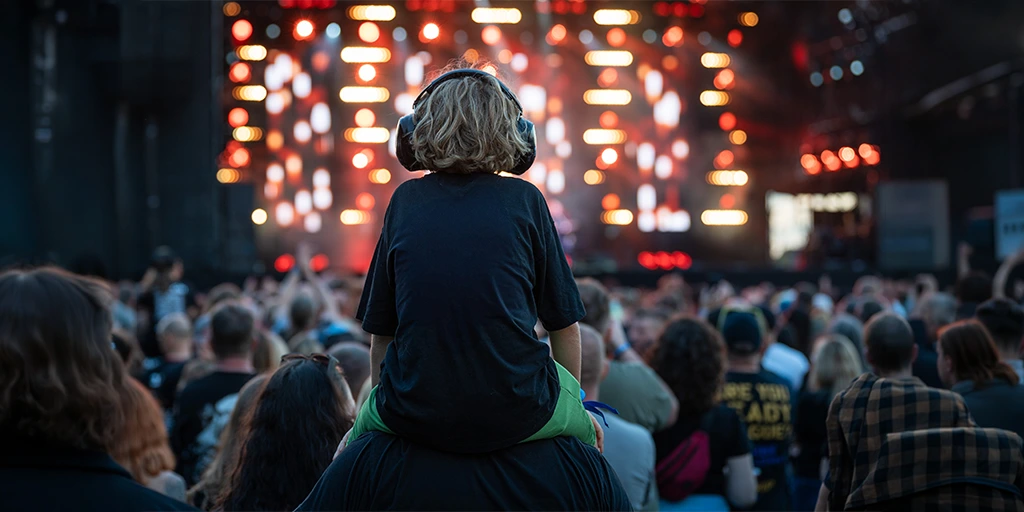
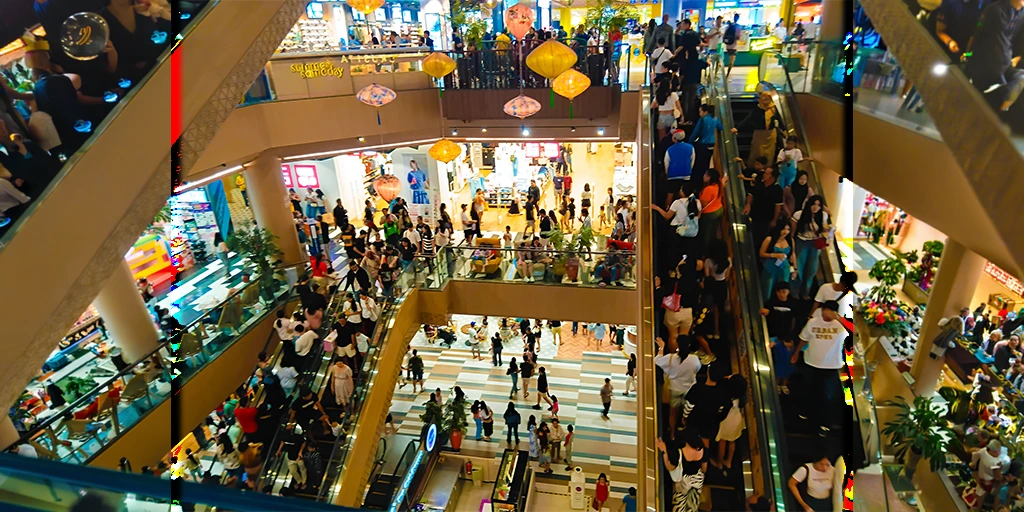
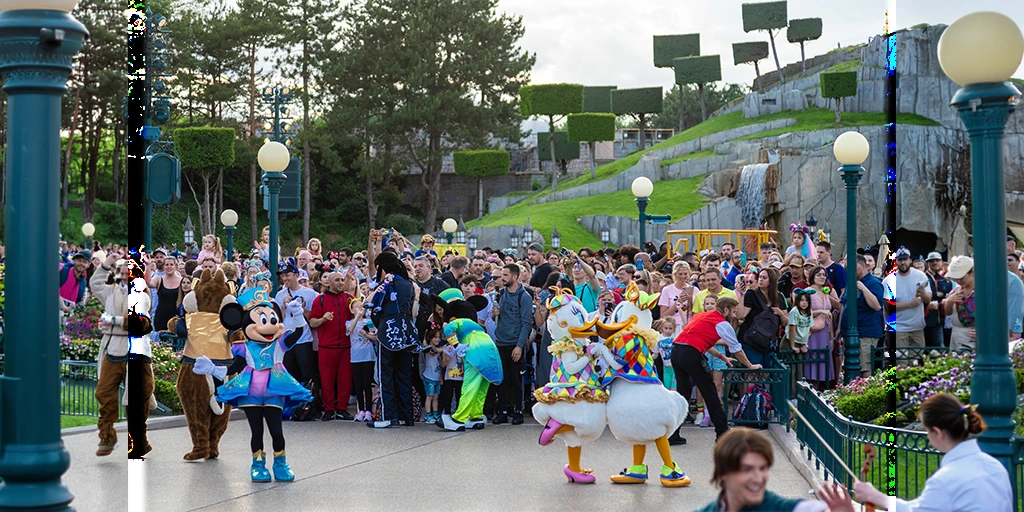
Public spaces can play an important role in helping autistic children and teens build confidence, independence, and everyday life skills. Trips to the grocery store, school, airport, playground, restaurant, mall, birthday party, wedding, or even a busy sidewalk can help build confidence, independence, and life skills. But for many families, these everyday outings can also feel unpredictable and exhausting. Autism sensory overload often happens in public because these environments are packed with loud noises, bright lights, crowds, strong smells, constant movement, and sudden changes that can overwhelm the nervous system all at once.
When sensory overload in public happens, it’s important to understand what’s really going on. This is not “bad behavior,” defiance, or a child trying to make life difficult. It is a genuine nervous system response to feeling overloaded and unsafe. Some autistic children may freeze, shut down, cry, or melt down, while others may try to escape the situation entirely by bolting, wandering, or leaving the area without warning. That’s why preparation matters so much. In this guide, we’ll cover practical strategies for preventing autism sensory overload, planning safer outings, supporting communication, reducing wandering risks, and helping your child recover after overwhelming experiences so public outings can become less stressful for everyone involved.
Why Public Spaces Can Be Especially Overwhelming
Public spaces are rife with autism sensory triggers that are not always obvious, but which are very important to anticipate. One of the characteristics of Sensory Processing Disorder is that it affects all of the senses, each of which can have a negative reaction to a number of stimulants:
- Sight – the bright lights of a mall, street, or airport, often made worse during nighttime hours due to contrast with the dark.
- Smell – strong smells that waft through restaurants, malls, and event spaces.
- Sound – the noise of a crowd, loud announcements, traffic beeping, overhead aircraft, and children at play.
- Touch – unwanted (though it may be harmless) physical touch of a stranger, and being too close to others in a crowd or while moving in a public area.
- Taste – the flavors of unfamiliar food.
Added to these anxieties is the fact that being outside the home can interfere with an autistic person’s enjoyment of routine. Waiting in lines, unclear rules, and unpredictable transitions between activities (for example, shopping and going to a restaurant) all translate into a feeling of less control over their environment, and fewer familiar go-to supports.
What Sensory Overload Can Look Like in Public
Not every person with autism has the same set of triggers. Nor do they have the same reaction to sensory stimuli. Also, the effect of autism in public spaces can vary depending on age, setting, or stress level. For example, if your kid is tired after a long day at school, there’s a higher chance of autistic child sensory overload during an evening trip to the mall than if you start the day there.
The first step in creating autism sensory overload strategies is to learn about your child’s early warning signs. Your child might demonstrate the first sign of discomfort by becoming quiet, irritable, or asking to leave where you are in the middle of an activity. A step up from that is behavior that is hard to miss, such as covering their ears, freezing, crying, or pacing. At worst, they will run away, suffer a dramatic shutdown, or have a severe meltdown. Hopefully, you can avoid an escalating situation by recognizing an impending autism meltdown in public, before it really ruins your outing – and especially to prevent it from becoming a safety concern.
Plan Ahead Before Going Out
Like many strategies related to autism, an ounce of planning is worth a pound of cure. The challenge here is to minimize the effect of the environment. It’s about trying to get to the public space before peak-crowd levels, which will give you key advantages:
- Parking closer to the entrance, so that you can find your car and leave quickly if needed
- Fewer chances of crowding, unwanted touching, and loud noises
- Shorter lines and waiting times
- In the case of autism wandering prevention, more of an open area to spot your child quickly, and greater availability of security personnel to help
If you are going somewhere new, make sure to confirm opening and closing hours, parking layout, locations of areas you want to go (made easier by downloadable maps), potential quiet areas, food options, and bathroom locations. Set a clear and reasonable time to head home so that the trip doesn’t wear out your child. Once you have formed your plan, explain what’s going to happen; one great tool for doing this is through a simple visual plan like a schedule or flowchart. Finally, after you have finished the visit, reflect on your experience: did it meet your (and your child’s) expectations, or should you take it off the list?
Build a Sensory Safety Kit
Before you head out the door, be sure to pack a sensory kit for autism, as being prepared can significantly reduce stress. Your child may have favorite assistive technologies for sensory regulation and calming. If there is a selection that is easy to carry, then make sure to include them. But being in an area where there is a likelihood of overload may require new devices, some of which include noise-canceling headphones, sunglasses, fidget spinners, and chew tools. Always keep communication cards in your kit as well.
A good way to avoid dealing with restaurant lines and unfamiliar smells is to bring drinks and snacks along with you. Your child will likely prefer familiar food over what’s available at the mall or park. Also, think about bringing along any medication that they should take during the time that you are away, as well as a change of clothing. Put everything in a bag that’s comfortable to carry and access quickly.
Use Communication Supports in Public
Even if your child has decent verbal skills, it can all go out the window when they are experiencing sensory overload. That’s why a key component of preparing your child for public spaces is their communication tools. Go over what they can do to express their feelings when they are uncomfortable or overwhelmed. These tools include AAC devices, visual autism communication cards, simple scripts, gestures, texting, or agreed-upon signals. Include important phrases such as “I need a break,” “too loud,” “bathroom,” “go home,” etc. All of these supports can help the child express their distress before it becomes too much or unsafe.
Preventing Wandering During Overload
Even before it looks as though your child is about to experience an autism shutdown in public or a meltdown, you can organize your day out in a way that ensures near-constant supervision. One component of your autism sensory safety plan should be about cooperative measures that you, your child, and other responsible people in your group can take. Wandering prevention should be part of every public outing plan, not just an emergency response.
For instance, if your child is relatively independent, and they want to explore the area by themselves, have them check in with you by phone on a regular basis. You might consider using an application that tells them to do so at the times that you agree on. If there are any problems, such as getting lost in the mall or lack of mobile connectivity, tell them either to contact a trustworthy stranger or stay near an exit. Also, set visual boundaries within the area that you are visiting (for example, the fencing of a playground) to limit their travel. Of course, having a strong GPS tracker on your child is likely the better path to peace of mind (more on that later).
If you are not at that stage yet, then arrange a buddy system where your child is accompanied by a responsible companion, or assign an adult to monitor the child during busy outings.
Create a Break and Exit Plan
A good rule for any autism public safety concept is to play it safe. Everyone in your group might be enjoying the outing, including your autistic child, but chances are that he or she will need a sensory-friendly time out from all the stimuli. Make it part of the schedule for your child to take a supervised break at some point in an area that is as calm as possible. This could be quiet corners, outdoor areas, less crowded aisles, or cars. Some autism-friendly attractions will even have sensory rooms for this specific reason.
Likewise, set a clear time to leave, and tell all of the caretakers in the group to move the time up if they notice that your child is starting to lose it. (Never try to convince an autistic person to “be patient” or “push through” until others are ready to go home.) A printed map of the area may come in handy to help you leave quickly. Many malls have floor maps on display, but it’s often difficult to find them.

How to Respond During a Meltdown or Shutdown
Despite all your best preparations, sometimes meltdowns and shutdowns are just going to happen. Here are the key differences:
Autistic Shutdown
Autistic shutdowns describe precisely what they are – exhaustion, refusal to move or speak, lack of response, and only looking straight ahead.
Autistic Meltdowns
You can think of meltdowns as the opposite of a shutdown. Instead of total introversion, the autistic person will express rage physically and verbally in ways that are similar to (but not the same as) a temper tantrum.
If this happens, the first step is to move your child to a safe and quiet location. The sensory comfort tools mentioned above will be very useful here. Try to use fewer words, and instead, focus on stopping your child from physically harming themselves or others. Reduce any demands on the child, and do your best to protect them from crowds or judgment. Just try to focus on safety, calm, and regulation; it takes time for these episodes to pass, so you should probably forget about continuing your trip. Go home once the child starts communicating with you and says that they are ready to leave.
Recovery After Sensory Overload
Once you get home, continue the autism recovery strategy. Bring your child to a quiet area and check if they aren’t hungry or thirsty. If they have calmed down, encourage your child to engage in one of their preferred quiet-time activities. They may be exhausted from all the exertion, and recovery may take time.
When the episode is over, use it as a learning experience. Think about what led up to the incident and whether there was a flaw in your planning. Encourage caregivers to review what happened so as to identify triggers and improve future plans. You might also ask your child (once they are calm and ready) to rate their stress level to understand how bad the experience was for them on the whole. If they feel it was a disaster, maybe that sort of outing is just not right for them (at least, not at this age).
How GPS Trackers for Autism Can Help
As parents, we’ve all been there: even the best planning doesn’t always work. You can be sure that, despite some really dedicated caregivers, at least a few of the 50% of autistic kids who wander were able to get away regardless. In public areas, it’s not just an autistic person who is affected by the environment. Even a momentary distraction for the caregiver can result in their autistic child taking off.
That’s why using a customized assistive technology based on GPS tracking is a must in a public place – and even at home. Tools like AngelSense can help you to locate your child through:
- The combination of a smartphone application and a wearable tracking device
- Features such as geofencing so that you immediately know if your child has left the area
- Remotely-controlled alarm, speaker, and telephone, which enable you to locate or talk with your child to find out where they are and calm them down
- The sharing of vital information with first responders as they assist you in the search
Helping Children Build Long-Term Coping Skills
Over time, families can help autistic children and teens better understand their own sensory needs and learn how to advocate for support in public spaces. This can start in small, practical ways—practicing how to ask for a break before leaving the house, getting comfortable using noise-canceling headphones without feeling self-conscious, or choosing quieter times of day for errands and outings when possible. It can also include gently reflecting after an outing by rating stress levels together, so the child can begin to recognize what felt manageable and what felt overwhelming. These gradual steps help build confidence and give children real tools to communicate what they need, rather than pushing through discomfort. The focus is always on safe participation in everyday life, not on forcing tolerance of environments that feel overwhelming.
When families approach outings with planning, communication, and flexible expectations, sensory overload in public can often be reduced or managed more effectively. No strategy can remove every challenge, but thoughtful preparation can make a meaningful difference in how supported a child feels. The goal is to make public spaces safer and more accessible while protecting the child’s dignity, comfort, and growing independence. With the right support systems in place, autistic children can take part in everyday life with more confidence, more comfort, and a stronger sense of control over their environment.
Get peace of mind from AngelSense, the groundbreaking AI-based assistive technology designed to enhance safety and peace of mind for individuals with special needs and their families. Our solution ensures you stay connected with your loved ones, empowering a higher level of independence while maintaining safety. Learn more about how AngelSense can make a difference for your family.