After-School Independence for Autistic Kids: Safe Transitions from School to Home
Updated on May 4, 2026 Listen to the PodcastThe hours right after school may be short, but for autistic children, they often bring some of the biggest challenges of the day.The autism transition from school to home is a moment when structure fades, expectations shift, and the cumulative fatigue of the day can really sink in. After hours of managing sensory input, social interactions, and academic demands, many kids enter the after-school window already overwhelmed. The unstructured time, lack of clear guidance, and lingering exhaustion can increase stress levels and create real safety concerns.
At the same time, this daily transition offers a powerful opportunity. With the right supports in place, families can transform these hours into a foundation for growth, building both confidence and practical life skills. In this guide, we’ll explore how to put that into action—covering routines, safety strategies, communication tools, and step-by-step approaches to fostering greater independence.
Why After-School Time Can Be Challenging
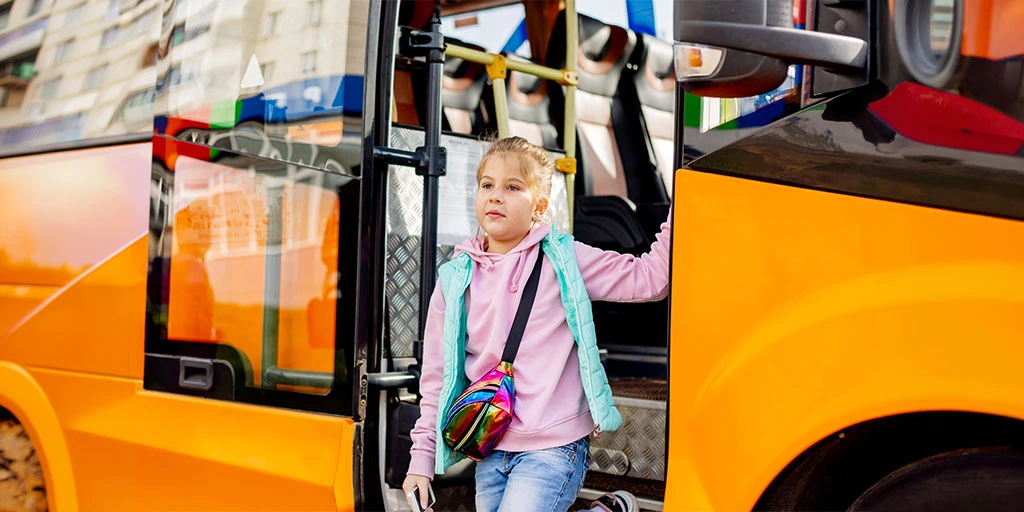
From the final bell to walking in the front door, many autistic kids face sensory overload after school. Whether someone picks them up, they ride the bus, or walk home alone, the period between school and arrival at home can be unpredictable and overwhelming. The challenges during this transition include:
- The end of the school day means that energetic children are finally set free and rush to the buses amid shouts and (what may feel like) mayhem. The risk of an encounter with bullies is statistically higher during this time because teachers (if they are around) need to watch dozens of kids in one area.
- Once on the bus (if this is how your child gets home), the potential triggers continue. Kids notoriously misbehave on the bus, and that may feel threatening – especially for children who, at times, become targets. Autistic children also need to pay particular attention to getting off at the correct stop because they are easily distracted.
- Returning to an empty or unsupervised home can leave autistic children feeling uncertain or anxious. Many experience mental fatigue after a long school day. If there’s no food readily available, or not much to do, this lack of structure may cause a poor emotional reaction, leading to unsafe behaviors.
Under these circumstances, children with autism can shut down (for instance, due to masking), have a meltdown, and even start to wander due to stress or lack of supervision.
Supporting Safe Transitions from School to Home
The first barrier to autism safety after school is the journey home. There are many ways for kids to make the trip. For kids who are relatively independent and live close to school, walking is a great choice because it is an opportunity for exercise, but is also the riskiest and most complicated. Another common option is to take the school bus. But the safest method is parental pick-up, which requires you to have both the vehicle and the time to do so (a challenge for many working parents). Regardless of the option that’s right for your family, you can increase the safety level of these routine autism transitions by:
- Going with your child (preferably before the school year starts) and practicing the entire route until it is clear they have it memorized.
- Setting a safe but logical place for them to wait until their ride arrives.
- For buses and pick-ups, finding designated meeting points.
- Writing down these steps on a cue card, for example, for your child to carry to remind themselves.
- If your child has a mobile phone, establish a check-in routine; this is particularly essential if they walk home.
- Considering a GPS tracker wearable device so you can always see your child’s location.
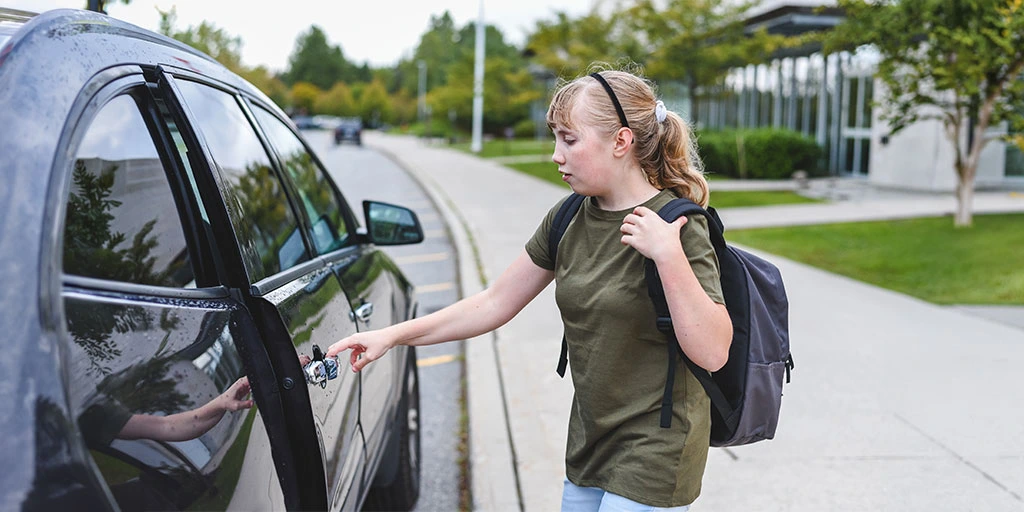
Even in light of these strategies, parents always need to be aware of wandering risks. It’s impossible to predict when wandering will occur because it is not always triggered by stress. Some kids just see an opportunity and take off. And what better time to do so than during this ‘freedom’ between school and home?

Creating a Predictable After-School Routine
Coming home to an empty house presents risks for a child with autism. If a parent or caretaker can’t be there upon their arrival, maybe a family member or friendly neighbor can step in – or at least, is willing for your child to wait at their house until someone gets home. Autistic kids thrive on structure; that’s why it’s important to create autism after school routines that support your child both physically and mentally:
Snack Time
What kid isn’t starving after school? Plan to have your child’s favorite healthy snacks always fresh and available. Supervise their snacking to ensure that they leave room for dinner. Remember that sweet food can set them off-balance, first with a sugar rush, and then with an energy drop.
Downtime
Yes, scheduling time to decompress is important. We’ll explain more about this in the next section.
Homework
After some downtime, your child should be ready to handle their homework. Better to get it done now before they become too tired later in the evening. They may be tempted to cut corners, so be sure to check that all assignments have been completed properly.
Preferred Activities
Now, it’s your kid’s chance to spend the rest of the evening doing what they like. Screen time is OK, but in limited amounts, and should end at least half an hour before bed.
Speaking of bedtime, there’s an important rule of thumb to follow whenever building independence skills for autistic children. They don’t like interruptions, particularly when they are doing something they enjoy, so always set clear expectations, and use visual schedules and timers to let them know when the next transition is about to come up.
Managing Sensory Needs and Decompression
So far, we’ve looked at developing after school routines for people with autism as a way to minimize the chance of emotional upset. But there’s also a constructive move that you can incorporate to make your autistic child happier and more productive.
Downtime after school is essential, as it boosts emotional regulation (and with that, improved safety). Remember that keeping up with any program is exhausting for autistic children. On the outside, your kid might seem like they are coping superbly. But, due to sensory processing disorder, it actually takes a lot of energy for them to simply get through a normal day. This makes it more difficult and tiring for them to complete after-school tasks like homework and household chores.
To support autism life skills for children, and to give them the rest they need, you may want to consider:
- Creating a “sensory room” that ensures a calm environment; this may include elements like soundproofing and soft lighting.
- Providing them with calming sensory tools such as weighted blankets and fidget spinners.
- Including a visually calming element like a lava lamp or lighted display.
The goal here is not to get them to sleep, because that will interfere with their nighttime schedule. Instead, this is a chance for your child to really relax and recharge their batteries in preparation for evening activities.
Building Independence Step by Step
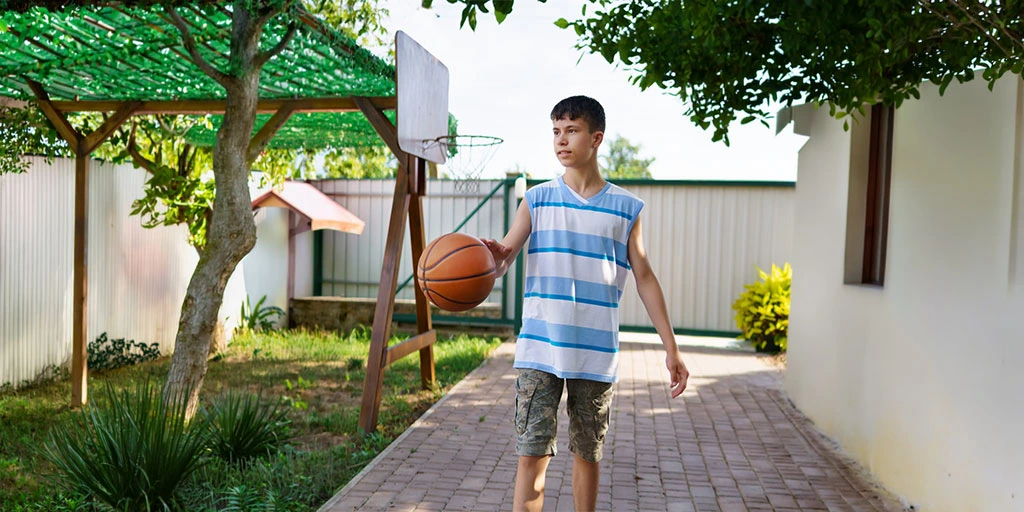
For caretakers, after-school routine planning can be a lot of work. But it’s also an effort for an autistic child. That’s why both of you should approach this and other independence skills for autistic children in a gradual way. For example, if your child is used to crashing in front of the TV for hours, then reduce that time by half an hour each day while replacing it with the activities described above.
Once the new routine is established, you can encourage them towards an even greater level of maturity and independence. For example, you might leave them at home alone for short periods, teach them how to prepare food, and give them responsibility for managing simple tasks when you are not there (like feeding a housepet). There is no better way of building life skills than doing it slowly and with plenty of explanation.
Teaching Problem-Solving and Real-Life Skills
All of this preparation will face a test one day. You might not make it home on time, and have no backup plan. Maybe your child will forget to take a key. Or the fridge will be empty and the power off.
That’s life – and with it, come spontaneous opportunities to practice real-life skills. Through sit-downs, role-playing, and practice, you and your child should discuss these scenarios and what they need to do if they happen. Talk about the steps that they can take alone as a means to build decision making skills, and when to ask for help. Cover basic safety awareness, including issues like:
- Clear rules – for example, not leaving the property, opening the door to strangers, or trying to use dangerous objects like a stove.
- Supervision plans that include the names and phone numbers of multiple contacts who are available at a moment’s notice.
- The proper reasons for calling 911 (i.e. identifying a real emergency compared to something that is annoying for the child but not a real threat).
By going over this together, you might discover a few gaps in your own planning.
Communication Strategies for After-School Safety
Despite the best preparation, life is unpredictable, and your child will encounter situations that you have not foreseen or with which they can’t cope. That’s when having reliable communication strategies for children with autism becomes vital. Thankfully, there are many wonderful tools for getting in touch with you or another responsible adult at any time.
The most practical device is a cellular phone, as well as the landline phone in your house. Your child should know how to unlock a device (when relevant), find the contact details of a caretaker, and call them. They should know how to communicate their needs or concerns, including pertinent information (i.e. name, address, and problem) to the person who answers.
If they are often mobile, then your child should also carry communication cards that display common phrases to explain their situation. Identification tags and bracelets are also a good idea.
Preventing Wandering and Safety Risks
However, these measures won’t work in every situation. Take mobile phones, for example. They can run out of battery power, get damaged or lost, or be faulty in an area where there is weak cellular coverage. Under pressure, your child might not be able to use the tiny controls or forget how to find a contact number.
It’s a similar story with ID bracelets and cue cards. In an emergency, there is no guarantee that helpful people will see their identification or understand what the child is trying to tell them with a visual cue.
This is where GPS trackers for autistic kids become essential. . A quality tracker promotes independence and enhances safety, all at the same time:
Tracking
Perhaps the greatest concern of any caretaker is autism wandering prevention. On the way home, or even while there, autistic children are subject to a 50% probability of wandering. GPS autism trackers allow you to see where your child is in real time, and share their location with first responders. A good tracking technology will connect with WiFi and Bluetooth when regular signals are not available.
Communication
Some of the better GPS trackers also function as communication devices. For example, AngelSense assistive technology includes 2-way communication and works much like a mobile phone. If your child forgets how to access contact numbers, the device has a simple SOS button. Best of all, AngelSense provides an “active speakerphone” that allows you to speak with your child, even if they don’t press the answer button.
Practicality
GPS trackers like AngelSense were designed from the ground up for use by autistic people. They feature long-lasting batteries, a durable casing, and simple controls. AngelSense even promotes independence through well-being tools like pill reminders and step counters. Finally, to protect the device and avoid irritating a sensitive wearer, AngelSense offers wearable options that range from wristwatch to concealable devices that can only be removed with a tool.
Balancing Independence with Supervision
Finding the right balance between independence and safety isn’t a one-time decision—it’s an ongoing process. What works today may need to shift tomorrow, depending on your child’s development, confidence level, and environment. Some children may be ready for more freedom sooner, while others need continued structure and supervision for longer. The key is to stay flexible: observe what’s working, adjust supports as needed, and build in layers of safety that evolve alongside your child’s growing abilities.
After-school independence doesn’t happen all at once. It’s built step by step through consistent routines, clear communication, and a foundation of trust. Each small success—following a routine, making a safe choice, handling an unexpected moment—adds up over time. With patience and the right supports in place, this daily transition can become more than just a challenging part of the day; it can be a powerful pathway to greater confidence and safety.
Get peace of mind from AngelSense, the groundbreaking AI-based assistive technology designed to enhance safety and peace of mind for individuals with special needs and their families. Our solution ensures you stay connected with your loved ones, empowering a higher level of independence while maintaining safety. Learn more about how AngelSense can make a difference for your family.