6:00AM Good morning!
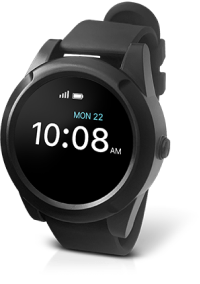
Wear the AngelSense Watch and safely start your day.

Wear the AngelSense Watch and safely start your day.

With the live monitoring feature, your loved one can easily go out
without having to worry about getting lost or forgetting the way back home.
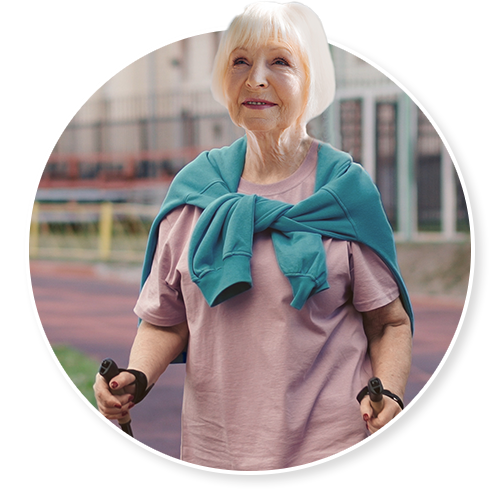
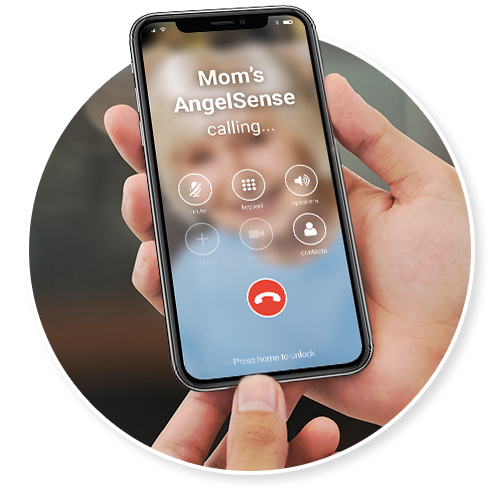
If your loved one wanders off, you will get an alert and can call them.
Using the live map feature, guide them back to the correct route through the watch speakerphone.
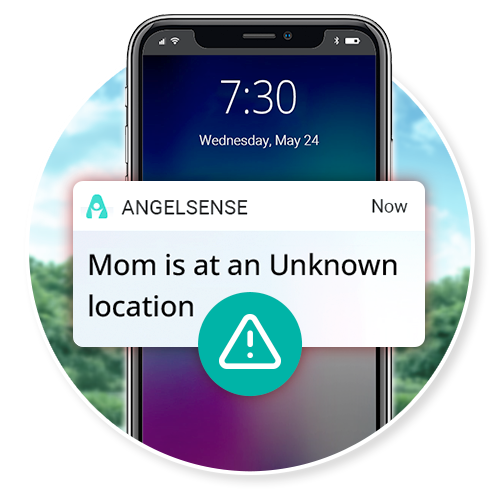
Check the real time map to see they’re back on track and at a safe location.
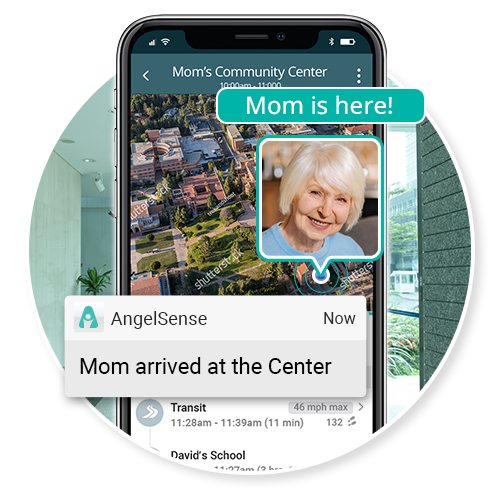
Once inside, use the indoor search to make sure your loved one is at their destination
with WiFi hotspots of familiar places.

With the click of a button, your loved one can easily get in touch with you
to request assistance or simply keep them company on their way.
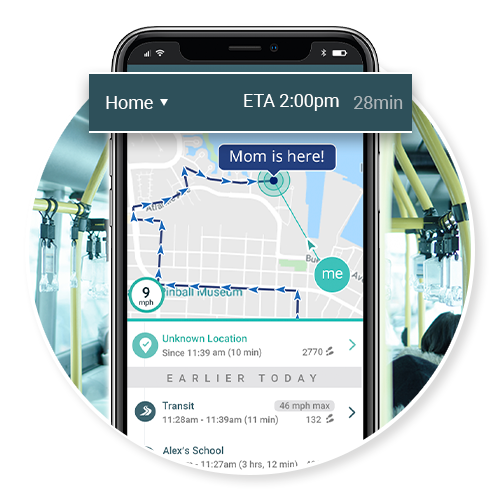
Check the app for an updated ETA to know exactly when your loved one will be back home
and get a notification once they arrive.
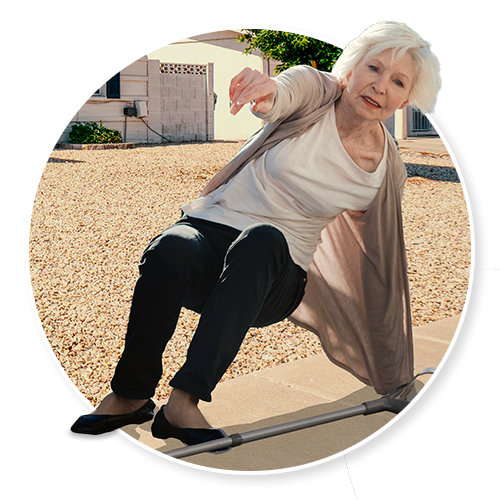
Get a notification whenever a fall has been detected and call your loved one to check on their situation.
With autopickup the call will answer without pressing a button or doing anything.
Add multiple family members as guardians, and share live location with the first responders
to see who’s the closest that can drop by to check if your loved one is ok and provide help if needed.
AngelSense allows your loved one to maintain their independence
and continue living on their own while knowing they can always reach you if needed.





Original Medicare does not normally cover consumer smartwatches as they are not considered medically necessary or durable medical equipment. However, there are some Medicare Advantage plans (Part C) that may offer coverage. It’s recommended that you meet with a Medicare agent to get a full answer.
Many smartwatches include fall detection features along with other health features, such as heart rate and step count. The AngelSense watch includes a fall detection along with the smart voice suite which enables families to call their loved ones in the event that a fall is detected.
Finding the best watch for an elderly loved one that includes fall detection needs careful thought. You want to make sure the watch fits their lifestyle, is easy to use, and has the right features to keep them safe. AngelSense’s smartwatch includes fall detection as well as a number of other useful features, including continuous monitoring and smart voice features that keep you connected no matter where your elderly loved one may go.
There are a number of remote monitoring tools available to use for monitoring your elderly parent living alone, including AngelSense assistive technology. AngelSense continuous monitoring can be used for indoor search using at home Wi-Fi. You can also install beacons around the home that work with the AngelSense. There are also health features, such as fall detection, that can help you monitor their health status remotely and speak to them via the device using the smart voice features.
AirTags were designed for items, such as luggage, while GPS trackers were designed for people. An even better solution is an assistive technology, such as AngelSense, that includes continuous monitoring with GPS along with a host of other features, such as fall detection and smart voice features. This allows you to stay connected to your elderly loved one at all times
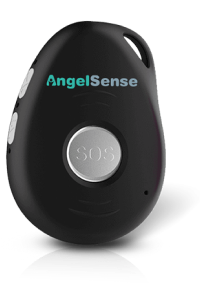
Traditional GPS trackers were not built for seniors. An assistive technology built for monitoring elderly individuals, such as AngelSense, is easy to use. The individual can wear the device either pinned to their clothes or as a smart watch. The device is controlled by an app that their loved ones can put on their phone.