Stranger Safety for Autistic Children: Building Skills for Everyday Life
Updated on September 28, 2026 Listen to the PodcastAutism community safety is a daily, real-world concern for families and caregivers. Teaching autistic children about strangers can feel especially complex, as it asks them to navigate situations that rely on reading social cues, judging intent, and communicating clearly under pressure. For many autistic children, these skills don’t come naturally. They may be more trusting of unfamiliar people, miss subtle warning signs, or struggle to express discomfort or ask for help. That’s why autism social safety isn’t about instinct—it’s about preparation.
The good news is that safety skills can be taught, practiced, and strengthened over time. With clear, practical strategies, children can learn how to recognize safe versus unsafe situations (and people), communicate effectively, and set appropriate boundaries. In this guide, we’ll walk you through how to approach autism stranger safety—covering communication tools, boundary-setting, real-life scenarios, and confidence-building techniques. By tailoring these lessons to your child’s unique strengths and challenges, they will be better equipped to move through the world more safely.
Why Stranger Safety Can Be Different for Autistic Children
Autism affects people in vastly contrasting ways (hence, spectrum). Some individuals with autism are drawn to loud noises and bright lights, while others can have a dramatically negative reaction to the same stimuli. When it comes to autistic child safety in public, this variation poses a challenge – how will your kid react in a new social situation, and one that is potentially dangerous? It’s often impossible to predict until it happens. This is because autism can impact how we interpret and understand certain inputs:
Boundaries
People with autism have a reputation for making awkward or inappropriate comments during conversation. Differences in body awareness and sensory processing can also make it harder for some children to understand personal space or notice when someone is standing too close. Teaching people with autism about boundaries – both physical and social boundaries – should cover all its manifestations, including inappropriate touch, personal space, and recognizing uncomfortable situations.
Communication
Criminals often try to isolate their victim via a method called luring. This can be particularly effective against children with autism because they often don’t pick up on a “creepy” vibe or tone of voice. In addition, people with autism tend to be literal thinkers and cannot read between the lines when, for instance, somebody makes an inappropriate comment or request. When discussing autism communication safety skills, teach children how to recognize a dangerous situation, when to say “no,” and how to ask for help from somebody trustworthy. (We’ll get more into that later.)
Intent
Autistic individuals generally don’t have a strong sense of danger, which is why wandering is such a major issue. This also leads them to potentially interact and cooperate with strangers who might be a threat. Many autistic people have what’s called the “theory of mind” challenge (or “mindblindness”), which makes it difficult for them to grasp that others have thoughts and intentions different from one’s own – contributing to their safety risks.
Defining “Strangers” and Safe vs. Unsafe Situations
Sitting down to talk about autism safety strategies with your child can take you to some uncomfortable places, but it’s every parent’s duty. As a reminder, here are just a few statistics that highlight the importance of autism safety skills:
- 92% of autistic people are subject to bullying, abuse, and/or assault over the course of a typical year
- 90% of autistic women experience sexual violence at some point
- 21.4% of autistic men and 39.4% of autistic women have been sexually harassed by strangers
Sadly, these facts speak for themselves.
In particular, all autistic children must be taught how to deal with abusive strangers. Simply telling them “Never talk to strangers” isn’t helpful, either. Sometimes a child may need help from someone they do not know, while someone familiar may not always be a safe person.
Because this is such a complex topic, experts have developed a few useful approaches for discussion. Let’s take a look at two of its essential aspects:
Safe Strangers
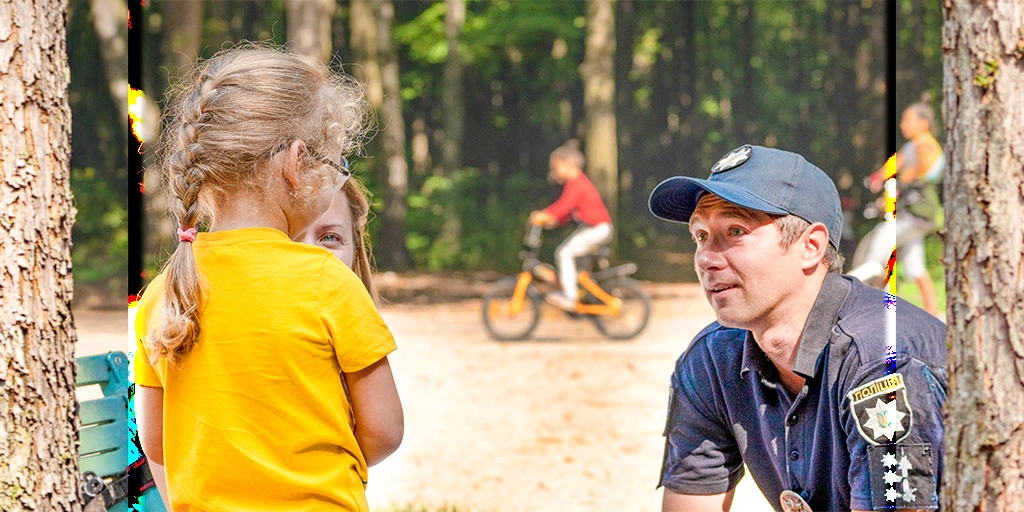
Safe strangers for those with autism is “a person in the community you do not know personally, but who has a job meant to help people and keep them safe.” This includes uniformed police officers, firemen, security guards, teachers, and store clerks.
Unsafe People
Notice that this wording extends beyond “strangers” to “people”. That’s because there may be people in your child’s environment who are familiar but not necessarily trustworthy. One way of defining level of trust is through “social circles”, where parents should specifically identify whom to trust, outside of “safe strangers”:
- Inner Circle: Close family members and friends
- Middle Circle: Acquaintances and other familiar people known, for example, in the neighborhood, at school, through social connections, or on the daily route to school
- The third “Outer Circle” covers strangers and known individuals who are not to be trusted

Understanding Clear Safety Rules
But definitions are only a start. For example, is every store clerk safe? Perhaps not. That’s why you should qualify these ideas by adding rules, such as:
- Never allow a “safe stranger” to take you out of a public area
- Do not go anywhere with someone without parental permission
- Do not share personal information
- When in public, stay in familiar areas
- When in doubt, call a caretaker
- Always wear your ID bracelet and carry a communication device
- If approached by a stranger who asks too many questions, or gets too close physically, find a safe stranger, particularly a police officer, or call somebody in the “inner circle” and tell them what is happening.
One of the biggest challenges of social skills for autism safety pertains to the online world. It almost doesn’t matter which aspect of the internet you’re using – there is bound to be some interaction between an individual with autism and strangers online. Unfortunately, unsafe people may use online platforms to manipulate, bully, or encourage children to meet offline.
If your child has a social media account, it’s likely they have already publicized information about themselves that can be manipulated. Ask your child questions about their online activities, and track their visits through tools such as parental controls. You can choose which channels they use, but monitoring is a must – particularly as they get older.
Supporting Teens and Increasing Independence
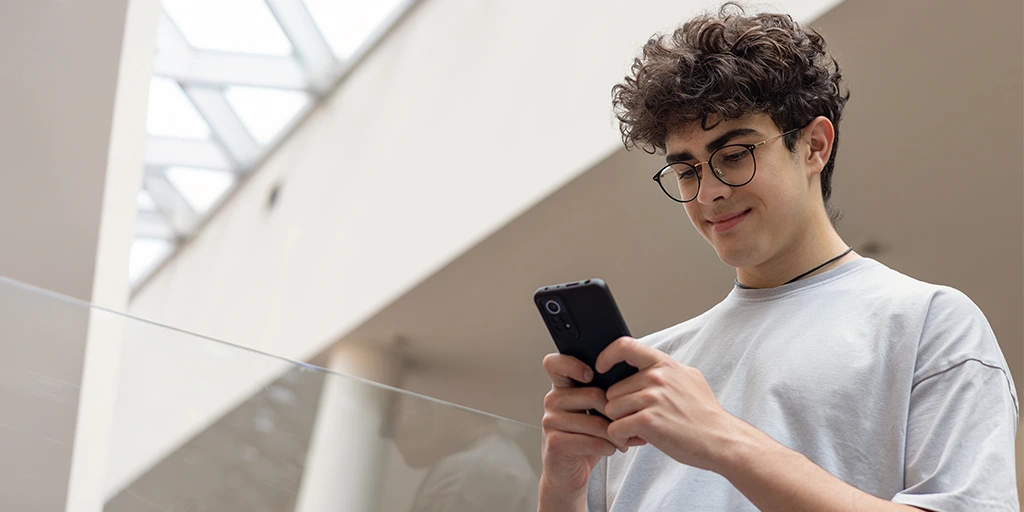
As your child grows into a teenager, your autism independence and safety strategies must evolve along with them.
Anyone raising a child needs to deal with a classic tradeoff. Do I give my child more freedom, while I try to make sure that no harm comes to them? Or do I restrict them, which is easier today, but will result in fewer life skills?
The plain fact is that, when your child becomes more self-sufficient, they will be exposed to more risks. The good news is that there are many ways for you and your child to cope. Here are some examples of typical situations that autistic teens must learn to handle:
- Public Transportation – Through good planning and practice, you can counter problems such as threats from strangers, getting lost, and overstimulation
- Social Life – There are many best practices out there for establishing healthy relationships, especially knowing the signs of abuse and manipulation at an early stage
- Independent Living – Taking care of yourself becomes much more secure when you have covered all the important issues, including health, legal and financial matters, and employment
Teaching Autism Safety
In short, it’s all about learning. While it is true that people with autism can be slow to process information, this is somewhat offset by their love of routine, which is demonstrated when they strictly follow rules and don’t like to break them. Caretakers can use this quality to implement vital autism safety rules.
Methods of Instruction
Chances are that your kid has shown an affinity for a certain style of instruction. If it has been proven effective (i.e. your child understands, remembers, and acts according to what they have been taught) then stick with it. In any case, effective teaching methods for autistic people include:
- Clear definitions, in this case, about who should be considered a “safe stranger”, etc.
- Visual aids that show exactly what you mean, for example, through a picture of a local police officer; a person standing too close to another; or the correct place to wait for the school bus. Also consider showing them videos that demonstrate safety situations.
- Social stories that combine words and pictures to illustrate the proper way to behave in an environment where safety is an issue. Many of them are free.
- Role-playing, where the adult takes on the role of a stranger, and the child reacts in the way they have been taught. This is a great method for teaching about personal space, luring, and finding a safe stranger. Make sure your child actively practices saying “no”, including while raising their voice, as well as different ways to ask for help. For example, you can role-play a scenario where someone in a car offers a gift or asks your child to come closer, then practice the exact steps your child should take.
- Actual scenarios that give your child an example from their daily routine. For instance, if they take public transportation, act out how to respond if a stranger tries to approach them or get their personal information. If you have the time, take them to the actual places where they might have encounters.
Never Stop Learning
As an adult, you’ve probably thought a lot about the various threats that are out there. But don’t overwhelm your child with every issue all at once. Instead, expose them gradually to the scenarios that you think are most relevant. Over time, you’ll develop a set of lessons that is personally appropriate to your child. Make sure that you review these ideas once in a while. This is particularly worth doing after a break from the usual routine, for example, after returning from vacation.
A Note About Stress
Autistic people often take things very literally. When learning about sensitive topics, this can result in “catastrophising”, which is a panicky reaction to certain thoughts. It’s advised to take a careful approach when discussing uncomfortable issues like strangers. Here are some tips:
- Avoid using language that evokes stress. For example, don’t use a term like “sexual assault”, and instead say “inappropriate touching”
- Practice with the whole family and be creative (but not too complicated) in building scenarios
- Compliment your child when they do things correctly, and don’t criticize mistakes
Using Safety Tools and Technology
Even if you and your autistic child have gone over all the safety concepts, it’s still a wise idea to plan for troubling scenarios. Stated simply, your child might one day find themselves in a bad situation with a stranger or other threatening person. There are two crucial abilities they will need:
Digital Communication:
A robust and simple method, such as a GPS tracker with communication features, for contacting a help network. This allows your child to contact you, another close relative, or emergency services. It is critical that this device has connectivity both indoors and outdoors through satellite, cellular, WiFi, and Bluetooth systems.
Assistive technologies like AngelSense add autism-specific safety features, including an SOS button, location sharing, remote speakerphone, and calling options designed for children who may struggle to use a phone under stress. These features support autistic people who cannot use the phone because they are under stress, non-verbal, or simply forget that they have it.
As part of your safety practice sessions, ensure that your child understands how the device works. (Of course, these are meant to complement, not replace, teaching safety skills.)
GPS Tracking for Autism Safety:
An autism safety device based on GPS tracker technology enables you to find your child when they are in trouble. Caretakers use an intuitive smartphone app that shows the location of the GPS tracker on a map. AngelSense boosts this capability with tools that allow you to share location and other important real-time information with first responders.
In addition to protection during a negative encounter with a stranger, GPS trackers with communication features are vital for:
- Autism wandering prevention
- Letting your child contact you with questions and concerns
- Allowing safety measures like check-ins
- Giving caretakers more peace of mind through tracking their child when they are on the move
Building Confidence Without Fear
Teaching safety skills should never come at the cost of a child’s sense of security or confidence. The goal isn’t to make children fearful of the world around them, but help children understand what to do, who to ask for help, and how to respond when something feels wrong. By using calm, balanced language and focusing on what to do—rather than only what to avoid—you can help your child feel prepared instead of anxious. Positive reinforcement plays a key role here: practicing skills through role-play, praising safe choices, and revisiting scenarios in a supportive way all help build confidence over time. Whether it’s what to do if they get lost, how to respond if a stranger approaches them, or how to ask for help in public, these lessons are most effective when introduced gradually and practiced consistently.
At its core, autism social safety is about building independence. With the right combination of guidance, repetition, and encouragement, autistic children and teens can learn to navigate real-world interactions safely and successfully. Teaching autistic children about strangers isn’t a one-time conversation—it’s an ongoing process that evolves with your child’s development. By breaking skills into manageable steps and reinforcing them in everyday situations, you empower your child to make safe decisions while still engaging with their community. Over time, these small efforts add up to something powerful: greater independence and the ability to handle unfamiliar situations with resilience.
Get peace of mind from AngelSense, the groundbreaking AI-based assistive technology designed to enhance safety and peace of mind for individuals with special needs and their families. Our solution ensures you stay connected with your loved ones, empowering a higher level of independence while maintaining safety. Learn more about how AngelSense can make a difference for your family.