Spring Break Safety Planning for Autistic Children and Teens
Updated on April 28, 2026 Listen to the PodcastSpring break is something many families look forward to. But for those navigating autism, it can feel just as daunting as it is exciting. Changes in routine, unfamiliar environments, travel logistics, and busy crowds can all introduce challenges. For autistic children and teens, these disruptions may lead to increased stress, sensory overload, and safety risks, including wandering. That’s why having the right autism spring break tips in hand can make all the difference for a successful trip.
The good news is that with thoughtful preparation, spring break can be both safe and genuinely enjoyable for everyone involved. By planning ahead and focusing on key areas like routines, sensory needs, and safety strategies, families can reduce anxiety and build positive experiences together. In this guide, we’ll walk you through practical, real-world strategies to help you confidently travel with an autistic child—so your spring break becomes a trip you’ll actually want to repeat year after year.
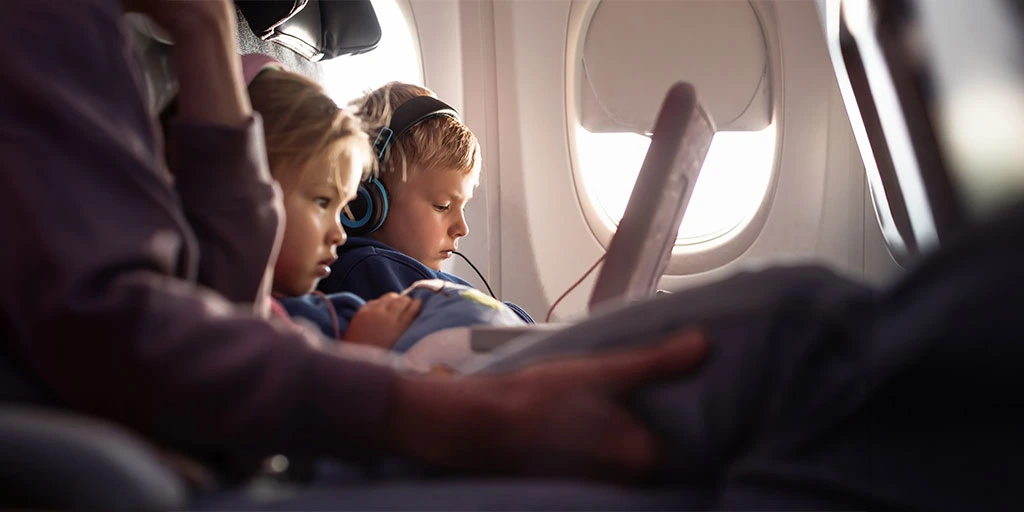
Preventing Wandering and Staying Safe
Preventing your autistic child from wandering during travel is the first thing you need to think about when planning for spring break. After all, any unfamiliar environment can trigger an autistic child and increase the risks. When it comes to autism family vacation safety, be sure to prepare in advance for challenges such as:
- An autistic child may experience stress, anxiety, or heightened curiosity during travel, which increases the chance of wandering.
- Many of the normal safety measures, like locked doors and helpful neighbors, won’t always be available.
- Your ability to prevent wandering will be affected if you are distracted with managing logistics or taking part in activities.
- Immediately responding to a lost child is more difficult when you are not familiar with the neighborhood, emergency services, etc.
- Many transitions from place to place will be unsupervised, or have multiple entrances and exits.
Some caretakers believe that wandering won’t happen to their family. But this is an assumption that you can’t afford to take. Sadly, half of all autistic children manage to escape from even a supervised environment. Against such odds, what should a parent do? In a phrase: be proactive.
GPS Tracking Devices
One of the most effective ways to prevent a worst-case scenario is by using a GPS tracking device designed specifically for autism safety. GPS trackers for autism travel combine satellite-based connectivity with an app on your smartphone, which allows you to see where your child is at all times. Companies like AngelSense allow you to communicate through the application with first-responders and share real-time tracking information with them. In a busy and unfamiliar environment, tools like AngelSense can be a lifesaver for ending a wandering incident as quickly as possible. (Note: AngelSense coverage extends to North America and the UK.)
Communication Tools
Even if your autistic child is non-verbal, you should still equip them with methods of communication. A low-tech option is to provide them with PECS cards that include useful phrases for a lost child, in addition to identification tags and bracelets. A more advanced option is AngelSense assistive technology previously mentioned, which enables both regular telephone communication as well as automatic pickup, which allows you to talk to your child even if they don’t physically answer the phone. Whichever communication tool you choose, practice it with your child before going on the trip so it’s fresh in their memory.
Emergency Planning
For older children, build a safety plan and go over it before and during your vacation. This can include the use of communication devices, but also dialing important contact numbers, check-in routines, and safety rules. Make sure that your child understands when and how to say their name and explain their situation to strangers. It’s always a good idea to have an ID bracelet on them, just in case.
Why Spring Break Can Be Challenging
Most of us have been there: waking early to hit the road on time; getting stuck in traffic; skipping meals or eating junk; finding that accommodations are not what you expected. These are annoyances for many people, but for those with autism, they can lead to serious stress. Here are some of the most common autism spring break safety issues:
Travel
People with autism often love watching planes, trains, and automobiles, but might not like actually traveling on them. Autistic people can be triggered by confined spaces and long hours of sitting, as well as an inability to expend their physical energy.
Changes in Routine
Children with autism greatly prefer order, predictability, and routine, but these three elements often go out the window during a vacation. This is especially so when you need to travel a long distance to your vacation spot.
Unfamiliar Environments
Even once you get there, the chance for anxiety remains. Different weather, new smells and tastes, a strange room, and an unfamiliar neighborhood are all things that people with autism might find unsettling.
Crowds
The fact that virtually everyone gets spring break at the same time means a lot of people at popular destinations. The confusion, noise, and lack of personal space created by crowds can all be disorienting.
Altogether, or even separately, the stress of a spring break vacation can lead to sensory overload, anxiety, and meltdowns. But, through the proper planning, you can greatly minimize the chance of this happening.
Planning Ahead for a Safe Trip
With the right approach, autism vacation planning can actually become a positive and engaging experience for your child. The idea is to emphasize predictability and preparation so that your kids know what to expect on the road and at your destination. Here’s how:
Include Them In the Vacation Planning
Make them part of researching potential destinations by letting them look at a few locations that you have narrowed down. As a parent, you’ll likely do the heavy lifting of autism holiday preparation by coming up with a ‘top five’ list of vacation spots based on your preferences, for example. Then, you could leave the final selection up to your child. In fact, one of the most useful autism travel safety tips is that various regions, and even cities, have set themselves up as preferred choices for families with special needs. For instance, Mesa Arizona is an Autism Certified City.
Plan the Itinerary Together
Once you’ve picked a place, refine the itinerary – what attractions and restaurants seem to be a good bet from your point of view. Once again, you can invite your child to boil down the list. Make sure that all their choices are useful, for example, by ruling out locations that will probably trigger their individual sensitivities.
Autism-Friendly Accommodation
Another really important choice in travel safety for autistic children is the nature of your accommodation. Your child can help here as well. Simply Google “autism-friendly hotels” and see if any are available at your location. Your child might be able to pick the one that they like most. Pay special attention to how a hotel describes its layout – it should mention specific features that accommodate people with autism, like quiet zones. Look for hotels that have “sensory-inclusive certifications” from organizations like KultureCity or the Champion Autism Network.
Travel Safety Strategies
The planning and practice doesn’t end there – make sure to prevent autism travel anxiety by preparing your child for the trip itself. At airports, during road trips, and on public transport, your child will face long lines, confusing procedures, tiredness, and boredom. Plus, there’s always a chance of delays, traffic jams, and crowding. Here are a few tips to consider:
- Book a cab instead of driving to the airport or station, and make sure you have a Plan B if your trip gets cancelled. Driving yourself might save money, but also means yet another journey from the parking lot to the terminal, along with your luggage.
- Try to book a direct flight at hours when the airport is not too crowded. This reduces lines, makes it easier to buy food and use the bathroom, and allows you to find a place to wait more easily. A relatively empty terminal will give your child lots of space to walk around and expend energy – just make sure they are supervised.
- Arrange hotels and transport before you leave home. It might be better to pay for a cab to your hotel, instead of renting a vehicle at the airport, in order to avoid dragging everyone around the terminal to go through the process of paying and getting to the actual car. (You can always go back alone to pick up a rental car the following day, when everyone is more rested.)
Work against whining and meltdowns by anticipating where snags will occur and explaining these potential situations to your child. Security checks are especially notorious for testing people’s patience. That’s why navigating airport travel is made easier through tools like social stories and role-playing. Additionally, many airlines, airports, and the TSA itself host programs that help people with disabilities understand airport procedures.
Maintaining Routines While Away
Maintaining routines is one of the most effective ways to reduce anxiety and prevent meltdowns during travel. Use this to your advantage by maintaining elements of your child’s normal routine, as best you can, as a way to reduce stress and improve safety. Here are some helpful autism travel routine tips:
- Get back to a normal sleep time by arranging daily schedules accordingly, and putting your autistic child to bed as usual. Although this may mean skipping the nighttime activities, everyone will benefit from a good night’s rest instead of a cranky kid. If you are jetlagged, there are various ways to get back on track, such as immediately establishing a routine according to the time at your destination (even while on the plane), exposing yourself to sunlight first thing in the morning, and eating smaller meals.
- It’s the same story for food. Along with normal sleep schedules, plan your days by making time to eat a proper meal. Many people with autism are picky eaters, so think about buying healthy food at the supermarket instead of trying the local cuisine or a chain restaurant. If there are particular favorites that can be packed and brought along, go for it.
- Fill up any downtime with your child’s favorite activities. This can mean taking their favorite toys, books, and devices along for the ride. You might be tempted to bring your child along to explore the area, but keep in mind that this increases wandering risk.
Managing Sensory Needs in New Environments
Taking favorite possessions along on a trip goes hand in hand with autism sensory needs during travel. Unless you’ve chosen a quiet destination for spring break (which might be a good idea), you will almost certainly run into crowds and the stress of being in unfamiliar places. To avoid meltdowns, and whenever possible, bring along a “sensory kit” and review the strategies that your family has used in the past to deal with sensitivities.
For example, pack weighted blankets and other comfort items in your carry-on, as well as calming distractions like coloring books and video players. If your child likes watching their phone, make sure that it can connect to the WiFi system on the plane or train (or pre-download favorite content).
Of course, you’ll need different distractions for time spent on your feet. For these situations, make room for noise-canceling headphones and fidget spinners, or whatever devices your child prefers.
Don’t forget that a day of excitement and stimulation can be extremely exhausting for people with autism. Include breaks for “quiet time” throughout the day. Try to identify low-stimulation spaces along your route, such as parks or areas in your hotel (don’t forget that autism-friendly hotels should have such areas readily available).
Confident and Safe Spring Break Experiences
Spring break safety planning isn’t about limiting your child’s experience, it’s about making more of it possible. When you choose activities that align with your child’s interests and comfort level, you create space for genuine enjoyment instead of stress. Pay attention to pacing, build in breaks, and stay flexible when plans need to shift. Sometimes the best moments come from slowing down and following your child’s lead rather than sticking to a packed itinerary.
With the right preparation, you can approach spring break with confidence knowing your child is safe, supported, and ready to enjoy the experience. A well-planned trip doesn’t just reduce risks; it opens the door to new experiences and positive memories for your whole family.
Get peace of mind from AngelSense, the groundbreaking AI-based assistive technology designed to enhance safety and peace of mind for individuals with special needs and their families. Our solution ensures you stay connected with your loved ones, empowering a higher level of independence while maintaining safety. Learn more about how AngelSense can make a difference for your family.