Supporting Siblings of Autistic Children: Tips for a Balanced Family
Updated on July 21, 2026 Listen to the PodcastGrowing up as the sibling of an autistic child can be an incredible experience—but it isn’t always an easy one. Siblings of autistic children often experience a unique mix of pride, love, responsibility, and emotional challenges.
Supporting every child in the family—not just the autistic child—is an essential part of creating healthy autism family balance. When siblings feel heard and valued, family relationships become stronger and home life feels more positive for everyone. In this guide, we’ll share practical strategies to help you support siblings through open communication, dedicated one-on-one time, and simple ways to create a more balanced family dynamic.
Understanding the Sibling Experience
As with all siblings, autism family dynamics can be affected by a variety of factors, including ages, firstborn status, autism level, and family size. Together with that, autism sibling emotions can be significantly impacted by different changes and lifecycle events in the home, such as who hits puberty when, or beginning at a new school.
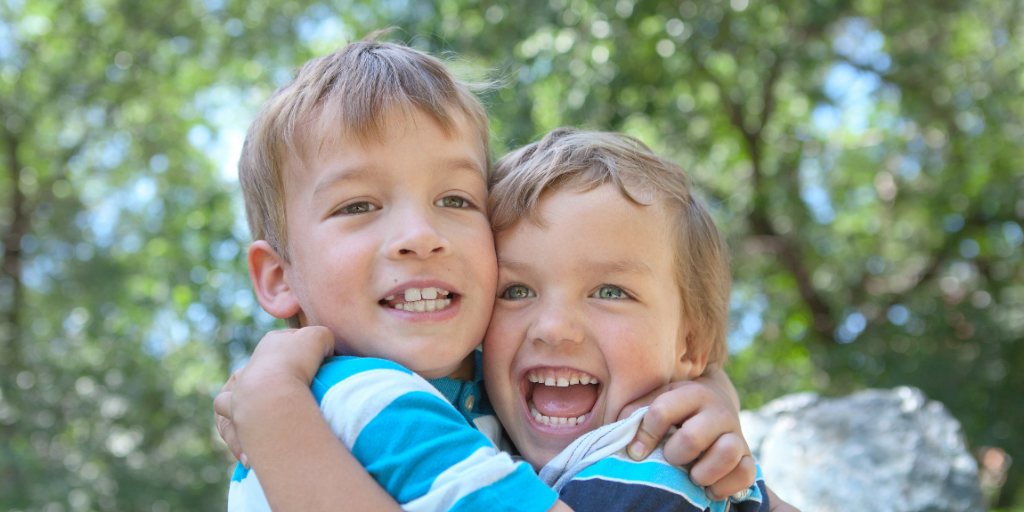
All siblings share unique emotional experiences as they grow up together. For individuals with Autism and their siblings, these experiences can help them develop resilience while also post challenges that deserve recognition and support. It’s completely normal for healthy autism family relationships to include worrying about the autistic child’s safety, or feeling like their own needs come second. Here are some of the positive – and negative – common dynamics parents are likely to notice amongst their children:
- Protectiveness
- Appreciation and a willingness to sacrifice their own needs
- Close friendship bonds
- Autism sibling jealousy
- Fatigue and frustration
- Embarrassment in public
- Shunning and spitefulness

Encourage Open and Honest Communication
The key to supporting the siblings of autistic children is open communication. Create regular opportunities for siblings to ask questions, express their emotions (without judgment), and talk about difficult situations that have come up. Siblings will feel when something is off but may not necessarily have the vocabulary to understand exactly what. Use age-appropriate language to explain family life with autism. Remind them that it’s valid to feel frustration, anger, or any other emotion they may feel. Encourage honest autism sibling communication by bringing your kids together to talk about different challenging scenarios that come up, whether it’s a meltdown, a wandering incident, or jealousy surrounding special treatment.
Make One-on-One Time a Priority
One of the most important autism parenting tips for better communication and calmer home dynamics is to devote individual time to each child. Free of distractions, the two of you can enjoy true quality one-on-one time, which strengthens the parent-child relationship as well as preventing resentment towards a sibling.
This ‘special time’ can be as simple as reading together, going for a walk, or playing a game. Keep it generally light and fun, and on occasion, work in a gentle conversation about any autism sibling stress or frustration they may be feeling.
Help Siblings Understand Autism
It’s important to help siblings understand autism, but sometimes that’s easier said than done. Find a time to sit down with the sibling, and adjust the length and language of your message to the child’s age. Explain common behaviors that they’ve likely witnessed, such as:
- Sensory sensitivities
- Communication differences
- Preference for routines
- Emotional regulation
Explaining autism to siblings can feel challenging, but books, videos, and age-appropriate conversations can make complex ideas easier to understand. Be sure to choose content that promotes empathy, while reinforcing that every autistic child – and their behavior – is unique. This will help the non-autistic sibling better understand how to react during triggering situations.
Celebrate Every Child’s Individual Strengths
You can, and should, reinforce sibling support strategies by recognizing each child’s unique talents, interests, accomplishments, and personality. Celebrate everyone’s individual milestones, praising each on their own merits, while being careful to avoid comparisons. Avoid competitive language, and maybe even competitive games at times (to a certain extent). Let each child shine in the things they do best so each feels equally valued within the family.
Know When Extra Support May Help
Sometimes, you’ll need to call on experts for additional autism family support. Be proactive in exploring the types of support available, especially if you are seeing ongoing anxiety, sadness, anger, or social difficulties among your kids. A little therapy can go a long way for the entire family. Some examples of professionals that assist families with autism include:
- Private and/or school-based counseling
- Sibling support groups
- Family therapists
- Psychiatrists
Build Positive Sibling Relationships
As much as possible, aim to develop autistic sibling relationships through shared enjoyable activities. Encourage cooperative games, family meals, outings, or even just watching TV together to boost the autism sibling bond. Work these habits into predictable routines, and be sure to set boundaries that take sensitivities into account. Meaningful relationships grow naturally when expectations remain realistic and pressure is reduced.
Avoid Giving Siblings Too Much Responsibility
While helping each other is sometimes essential and usually healthy, siblings should never be put in the position of caregivers. Putting their own needs aside should not become a pattern. Supporting siblings with autism in the family should include everyone’s participation as part of, for example, an autism safety plan (if your kids are old enough). But don’t involve the siblings during stressful events such as meltdowns or other safety-related situations, to avoid burdening them with a sense of responsibility or guilt.
Tools that Support the Entire Family
Remember that every family finds its own rhythm, and there’s no such thing as perfect autism sibling support. What matters most is creating a home where every child feels seen, heard, and valued. With open communication, dedicated one-on-one time, realistic expectations, and plenty of understanding, parents can help siblings build strong, lasting relationships while ensuring no one feels overlooked. It’s also important to make sure autism sibling responsibilities remain age-appropriate, so siblings can simply enjoy being brothers and sisters, not caregivers.
Of course, creating a balanced family life doesn’t mean compromising on safety. Even in families with strong routines and thoughtful autism support for brothers and sisters, situations like wandering can happen unexpectedly. That’s where having the right tools can make a meaningful difference.
AngelSense was designed to give families greater peace of mind by helping keep autistic children and adults safe while supporting greater everyday independence and reducing caregiver stress. As a wearable GPS tracker and communication device for people across the autism spectrum, it gives parents the ability to see the child’s location in real time, receive alerts if they wander, and communicate even if the child is unable to answer a call, helping families stay connected when it matters most.
Get peace of mind from AngelSense, the groundbreaking AI-based assistive technology designed to enhance safety and peace of mind for individuals with special needs and their families. Our solution ensures you stay connected with your loved ones, empowering a higher level of independence while maintaining safety. Learn more about how AngelSense can make a difference for your family.