Autism Safety Plan: How to Create a Safer Home for Your Child
Updated on June 17, 2026 Listen to the PodcastHome is meant to be a place where every child feels safe. For parents of autistic children, creating a safe home plan presents unique challenges and often requires careful planning that goes beyond typical childproofing. Creating an effective autism safety plan takes each child’s unique risks into account, including wandering, elopement, sensory overwhelm, communication difficulties, and household hazards that may not be obvious at first glance.
An autism safety plan is about safety, not just emergencies. Plans should help create predictability, structure, and sense of security which many autistic children need to thrive. In this guide, we’ll walk through how to create a safety plan from start to finish – conducting home safety assessments, creating sensory-friendly spaces, preparing for emergencies, preventing wandering, and using technology to support safety. By anticipating potential risks and putting supportive systems in place, parents can reduce anxiety, build confidence, and encourage greater independence over time.
Why Autistic Children Need a Home Safety Plan
A home safety plan is intended to prevent emergencies and give instructions on actions to take when emergencies happen. The precautions that you take at home to prevent emergencies, both when you are there and when you aren’t, should be designed to support independence rather than restrict it. When designing your child’s autism home safety plan, take into account risks such as:
Causes of Accidents
Accidents can happen anywhere and everywhere, but there is an increased risk for people with autism who often have limited danger awareness because they are unable to fully grasp safety instructions or foresee danger. Add to that the tendency to hyper-fixate on an object, and the resulting tampering/misuse can easily lead to an accident. For these reasons, children with autism are two to three times more likely to get injured than other children.
Panic Mode
During an accident at home, an autistic person who experiences hypersensitivity may become overwhelmed, which can trigger a shut down, a meltdown, or run away. On the other hand, they can be hyposensitive and not react at all. In either of these situations, it can make it harder to follow safety instructions.
Additional Risks
Even when you are home, autistic children can run into difficulties that are specific to their condition which need to be included in your safety plan. These include elopement, sensory sensitivities, communication difficulties, or strong reactions to changes in routine. If your autistic child is independent, other issues such as getting lost while traveling must also get addressed in your safety plan.
Start with a Home Safety Risk Assessment
Creating a safe home for an autistic child begins with assessing your home from their point of view. The goal here is to identify places where they can get into trouble or hide when under stress.
Think about patterns with your child, such as when they are most likely to wander and where they are most likely to hide. You’d be amazed at how differently kids see their environment compared to you. For instance, they are often able to slip through windows and under fences because they are smaller (and it feels fun). They can defeat door locks that are flimsy just by using a bit of force. Children love to snoop around and can find keys, weapons, and other dangerous items while doing so. Try using your imagination to identify such dangers.
To address these possible safety gaps, look around and record your home’s potential weak spots:
- Regular entrances, such as internal and external doors
- Potential entrances and exits like windows, fences, and the garage
- Hiding spots, including small closets, behind or under furniture, and inside of large machines such as washers and dryers
- Areas of immediate physical danger, such as stairs, balconies, and pools
- Parts of your home with hazardous tools and materials, for instance, kitchens, bathrooms, medicine cabinets, cleaning supply cupboard/closets

Creating Safe and Sensory-Friendly Spaces
The best way to deal with an emergency is to stop it before it starts. When people with autism begin to experience a shutdown or meltdown, guide them to a familiar, calming environment where they can decompress. Here is how:
- As a caregiver, learn to identify the early signs of an impending episode
- Encourage your child to identify when they are feeling the start of a negative reaction
- Create an autism sensory safety area in your home
- Agree with your child on when you can enter the safety area, for example, through a codeword or physical signal
The space itself should be as quiet and calm as possible. Try to use soft lighting, comfortable seating such as beanbags, and interesting visual features such as lava lamps and light displays. Include your child’s favorite sensory tools and calming items. Examples are weighted blankets, fidget spinners, fabrics that they enjoy touching, and pleasing scents. Having a special area like this in the home can significantly reduce unsafe behavior during times of stress.
Emergency Communication
Not every person with autism has the ability to tell you how they are feeling. They might be nonspeaking, minimally verbal, or simply unable to articulate themselves during stress. For these children, tools such as autism communication cards and AAC devices can be incredibly helpful. They can be used to express other feelings too, such as hunger, needing the bathroom, and items that your child wants.
Building Visual Rules and Routines
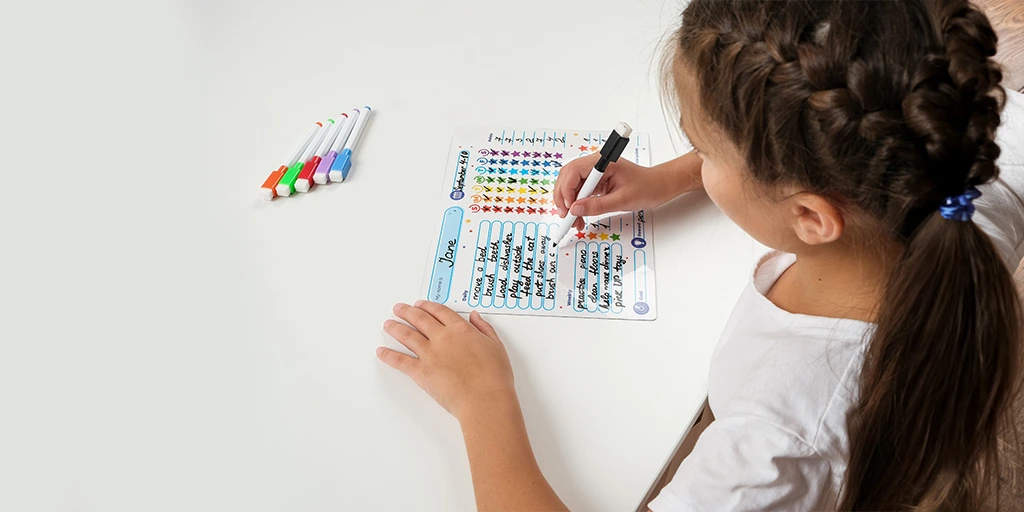
A picture is worth a thousand words – especially when it comes to helping children with autism. Boost your home’s autism emergency preparedness with the use of thoughtful signs, whiteboards, diagrams, and other visual tools. Caregivers can use these autism visual supports to significantly reduce anxiety, help children understand safety expectations, and provide constant safety reminders when you are not present.
Repetition can help safety rules become familiar, predictable, and easier to follow as many people with autism enjoy rules and routines. Autistic children who are strong visual learners prefer graphic explanations to textual ones, which makes your job easier because you can post signs in relevant places within your home.
Aside from the obvious warning labels and reminders, you can also use visual tools to establish mealtime, bedtime, and bathtime routines. These will hopefully ensure that your child is where you think they should be while they are at home, and lessen the chance that they feel lost due to unstructured time. They also aid in smoother transitions between activities.
Common visual supports include:
- Paper-based schedules, first-then boards, door safety reminders, and stop signs
- Labels on dangerous items and in no-go areas of the home
- Apps that assist with time management and organization
Reducing Common Household Hazards
Still, you can’t rely on signs to restrain your child from every risky element in your home. Play it safe by trying to eliminate any chance of your kids getting their hands on dangerous items. The measures you take should be proportionate to your child’s age and level of independence.
Do not rely only on high shelves, verbal rules, or off-limit areas. Remember, children with autism can be curious, determined, and inventive, and might keep trying to open or use a dangerous object until they succeed.
When conducting your home safety risk assessment, watch out for:
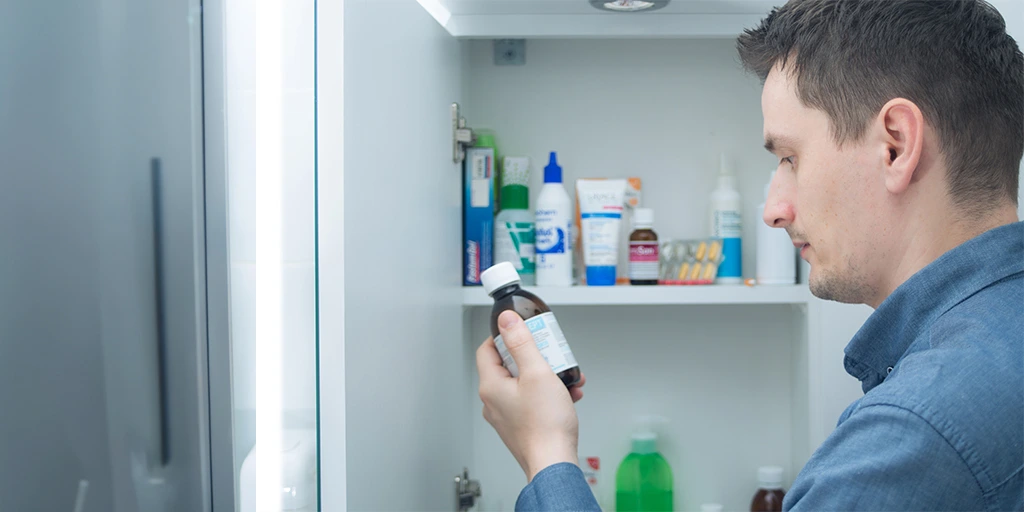
- Medications
- Cleaning products
- Tools
- Matches
- Sharp objects
- Choking hazards
Store these items in a locked cupboard or storage room. Put the key somewhere that is not obvious or take it with you as part of your key ring (and don’t leave it on a counter when you get home).
For things that you can’t store, find ways to make them more secure. For instance:
- Furniture anchoring for chairs and other unstable objects
- Stair gates, particularly for no-go sections of the house
- Water temperature controls
- Electrical socket covers
Emergency Preparedness at Home
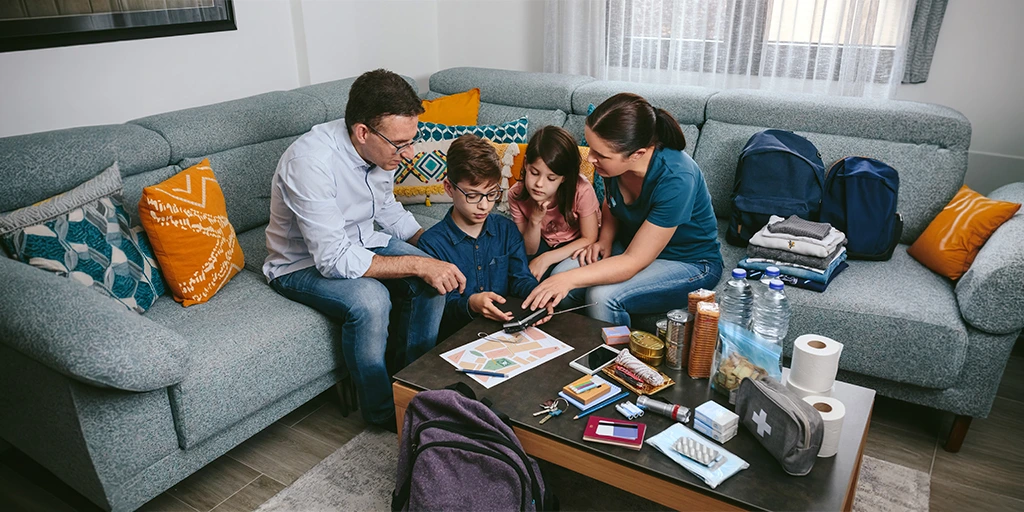
The precautions mentioned above will go a long way towards keeping your children safe. In the same spirit, you should involve the whole family in emergency planning. Take care, however, to approach this subject carefully with your autistic kids because teaching emergency awareness can sometimes also trigger anxiety. When discussing these sorts of topics, make sure to:
- Adjust your message to the individual
- Avoid words that sound frightening and use a neutral tone of voice
- Incorporate visual supports and social stories
- Practice with the whole family
In these discussions, we suggest you cover the following:
- Different types of events, such as fire, medical emergencies, power outages, and severe weather
- Actions to take such as contacting the authorities, evacuation routes, emergency bags, medication lists, and identifying family meeting spots
A family discussion is a good start, but even better is to practice emergency drills on a periodic basis to make sure that everyone understands and remembers the plan. Again, conduct the drills so that they are calm and don’t trigger sensitivities.
Special attention should be given to making 911 calls. This basic step can be a challenge if your kids have difficulty understanding what a real emergency is. Take care to explain examples of 911 calls and what your child should say when they make one (name, address, and nature of the emergency). Roleplay these calls every once in a while.
Coordinating the Plan with Caregivers
There are many situations when an emergency can occur and you might not be around to supervise, including:
- During the evening, when you have a babysitter, autism nighttime wandering can be a risk.
- Outside of the home, such as during a transition or after a stressful day at school.
Involving other adults is always a good idea. These people may include:
- Those who are part of your “inner circle” – extended family members such as siblings and grandparents, as well as close friends
- Professionals in the “second circle” who are part of your child’s life, such as therapists, babysitters, and teachers
- Trusted neighbors and shop owners
Augment supervision routines with a caregiver safety plan based on the general plans that you create for your family. This can take two forms:
- An information plan to use in case a person sees your child. This includes items like emergency contacts, sensory triggers, calming strategies, wandering response steps, and device instructions (if, for example, your child wears a GPS tracker)
- A participatory plan where you add to the information plan with details about where your child might have gone. This is intended for those who will help you search
Preventing Wandering and Elopement
Now that we’ve covered your “precautions”, let’s talk about “prevention”. While it’s true that parents need to safeguard their home no matter what, autism elopement prevention presents a unique challenge. Here are some facts as to why:
- Approximately half of all people with autism wander at some point.
- Wandering often occurs even when the child is being supervised, with 74% of incidents beginning in the family home.
- About 33% of reported wandering events result in injury or fatality (71% by drowning).
In light of these frightening statistics, autism wandering prevention requires a lot of attention.
Using Technology to Support Safety
Countless forms of everyday assistive technologies have been devised with the express purpose of child wandering safety. Many caregivers use a “layered” approach consisting of low, medium, and high technology devices. (Note that some of these are also useful as general security tools.) As with any technology, these tools should support caregiver awareness but never replace adult supervision.
“Low tech” approaches are those that are non-electronic and simple to use. These include window locks, smart door locks (for instance, those that use a numerical code to open), visual stop signs, and secure fencing. Some parents place heavy objects in front of exits, which function at least as a sign to their child that they should not go past it. In addition, as a means to end wandering incidents quickly, you should equip your child with an ID bracelet and emergency contact cards.
“Medium tech” tools tend to rely on battery or plug-in electrical power. Door alarms for autistic children are widely used, as are window sensors, interior movement sensors, room monitors, and perimeter alarms. These devices often link with your mobile phone so that you get an alert if the sensor is activated.
High Tech Autism Safety Devices
The “ultimate” level of security against wandering is a GPS tracker for autism. This uses satellite tracking, which permits you to see where your child is through a smartphone app. High-quality versions also connect to Bluetooth and Wi-Fi to deliver better indoor coverage as well. A few products, such as AngelSense, go far beyond this ability through features such as:
- Geofencing alerts that inform you if your child has left a certain area
- Information sharing with caregivers and emergency responders
- Location “pings” that you can activate to help you locate your child if they are hiding nearby
- Wearable options that are not easily removed and which can be worn by your child when they go to bed
- Communication features, such as phone and remotely-activated speaker, that allow you to speak to your child, even if they are non-verbal
In terms of layered security, some families combine all three levels of technology. For instance, you might use quality door locks with smart video cameras for at-home coverage (which send alerts when activated by movement) and an autism GPS tracker for tracking outside the home.
Safety and Security While Promoting Independence
Creating a home safety plan for an autistic child isn’t about wrapping them in bubble wrap or limiting their independence. It’s about understanding their unique needs, anticipating potential challenges, and putting supports in place so they can navigate their environment more safely and confidently.
The strongest safety plans help families prevent emergencies before they happen, respond more effectively when they do, and create a home that feels both secure and comfortable. Whether you’re adding visual supports, reducing household hazards, preparing for emergencies, or taking steps to prevent wandering, every layer of protection contributes to a safer environment for your child.
Get peace of mind from AngelSense, the groundbreaking AI-based assistive technology designed to enhance safety and peace of mind for individuals with special needs and their families. Our solution ensures you stay connected with your loved ones, empowering a higher level of independence while maintaining safety. Learn more about how AngelSense can make a difference for your family.