How to Prepare Your Autistic Child for Unexpected Changes
Updated on July 6, 2026Unexpected changes are part of life—but for many autistic children, even a small disruption to a familiar routine can feel overwhelming. Many children on the autism spectrum feel safest when they know what to expect, so a sudden change in plans, environment, or schedule can trigger anxiety, confusion, or distress. Reactions such as meltdowns, shutdowns, refusing to participate, or even wandering aren’t signs of misbehavior; they’re signals that a child is overwhelmed by communication challenges, sensory sensitivities, or the difficulty of adjusting quickly.
While caregivers can’t prevent every unexpected change, they can make those moments much easier to navigate. Helping an autistic child cope with change starts with preparing them ahead of time—using visual supports, simple coping plans, flexible routines, and consistent caregiver responses that build confidence and reduce anxiety. With the right strategies, children can learn that even when plans change, they are still safe, supported, and ready for what comes next.

Why Unexpected Changes Can Be Hard
Knowing how to prepare an autistic child for unexpected changes begins with the caretaker. Remember that a defining feature of autism is having a strong preference for predictability, order, and stability. When an autistic child experiences a change in their routine, it may cause them to feel uncomfortable, anxious, frustrated, frantic, or confused. Autistic child anxiety can even lead to unsafe behaviors such as running away or melting down. That’s why the very first rule, when it comes to autism change strategies, is to anticipate and prepare for these natural reactions to stress.
Build Flexibility Into Daily Routines
Flexibility is the magic word when it comes to preparing autistic children for transitions. Start small and make minor changes to their daily routine to gradually get them comfortable with occasional change. Some helpful ideas for autism routine flexibility include:
- Changing the order of an activity
- Taking a different route home or to school
- Using a different eating utensil
- Choosing between two activity options
The goal here is to teach your child that “different” can still be safe. It’s a way to gently practice coping strategies for autistic children during calm moments. Explain the concept by discussing why plans change sometimes, and how your kid can look forward to something different happening today.
Use Visuals to Show What Is Changing
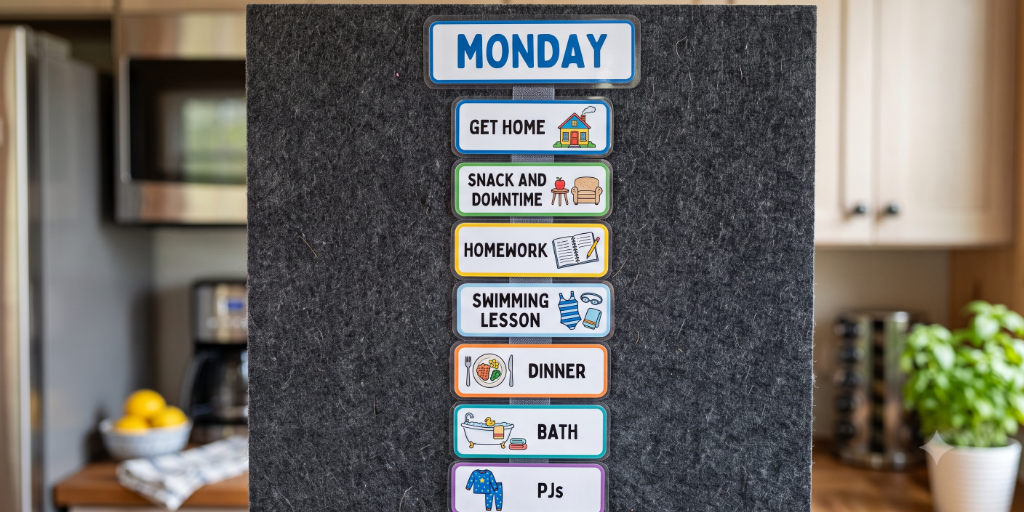
Visuals go an incredibly long way in preparing for unexpected schedule changes. Visual supports for autistic children can illustrate what is changing, what is staying the same, and what comes next. You might record a doctor’s appointment on a paper calendar, and then adapt your child’s weekly visual schedule to show the appointment and what it is replacing.
Many routine changes, such as vacations, holidays, doctor’s appointments, or school events, can be introduced in advance using visual supports. You can practice with these supports for autism transition strategies in a variety of visual ways. For example:
- Autism visual schedules
- First-then boards and autism change cards
- Paper and digital calendars
- Social stories for change
Then when a sudden change happens, such as a substitute teacher notification, traffic delay, or weather-related plan change, it’s easier to call upon those visual supports to help your children understand and adapt to the change.
Give Advance Notice When Possible
Advance notice goes hand in hand with reduced anxiety. Of course, life happens, and unexpected changes for individuals with autism will naturally occur sometimes with minimal warning. (In this case, visual boards and similar tools are not practical.) Even so, you should make every attempt to give whatever advance notice is possible, in a way that reduces worry.
Approach the change with calm, simple language and repeat as needed. For example, say: “Grandma will pick you up today instead of Dad,” or, “The store is closed, so we will go tomorrow.” There is no need to give a detailed explanation of the change at that moment. If your child has questions, say you’ll be happy to discuss them when there’s time in the schedule.
Create a Coping Plan for Sudden Changes
The most challenging type of change is, of course, those that happen without warning. When this happens, rely on tried-and-true calming strategies for autism. At home, prepare a “coping plan” that includes sensory tools for autism such as headphones and comfort items. Back these up with snacks, communication cards, breathing strategies (or other preferred calming activity), and a quiet space. You may want to bring along an autism change kit to outings, school pick-up/drop-off, appointments, errands, and travel so that your child has access to familiar supports if plans change unexpectedly.
Use Clear, Calm Communication
Then there is the delivery of the message itself. Given your child’s state of stress, they can’t process too much detail – focus instead on using short, direct, concrete language. Plan your “presentation” to include:
Why Things Need to Change:
For example: “The park is closed.”
What Will Happen Now:
“We are going home.”
What Happens Next:
“When we get home, we will have a snack and play outside”
Once you’ve clearly and calmly establish the change and new schedule, offer coping supports, such as a sensory-friendly object or listening to music. Remember to validate their feelings while staying calm and brief: “I know this is disappointing. I will help you.”
Offer Safe Choices to Restore Control
Sometimes, offering your child a sense of control (however small) can help them emotionally with adjusting to change and reduce anxiety. Consider suggesting two alternative choices that you are comfortable with – this could be anything from choosing between two comfort items, picking between going out for dessert or watching TV at home, or even simply the route you take to get home. You don’t want to overwhelm them with too many choices when they’re already triggered, but sometimes, giving them this small sense of having a say can make them feel more empowered in the situation.

Coordinate With School and Caregivers
At least a few of the unexpected changes in your child’s life will occur when they are out of the house, particularly while at school. It’s easier to handle autism school schedule changes when both parents and teachers take the same approach. Make sure you’re all aligned, whether that’s relatives, babysitters, therapists, and whoever else cares for your child, by making sure they know the most effective visual supports, calming tools, communication needs, triggers, safety concerns, and preferred phrases. Some of these details might already be mentioned in the autism caregiver plan that many parents create in case their child goes missing. Also, ask teachers about how they handle common change situations related to staff, transportation, therapy, schedules, field trips, and the like.
Prepare for Emergencies
Unexpected changes may never be easy for any child – but with preparation, they don’t have to feel quite so overwhelming. Start small by practicing flexibility during everyday routines, using visual supports to explain what is changing, and creating a simple coping plan your child can rely on when surprises happen. Over time, these strategies build confidence, reduce anxiety, and support autism meltdown prevention by helping your child feel more secure when life doesn’t go as planned. Remember that every child is different, so the most effective approach is one that is tailored to your child’s age, communication style, sensory needs, and comfort level.
Get peace of mind from AngelSense, the groundbreaking AI-based assistive technology designed to enhance safety and peace of mind for individuals with special needs and their families. Our solution ensures you stay connected with your loved ones, empowering a higher level of independence while maintaining safety. Learn more about how AngelSense can make a difference for your family.