What to Do if Your Autistic Child Goes Missing: A Step-by-Step Action Plan
Updated on September 28, 2026 Listen to the PodcastFew moments are more terrifying for a parent or caregiver than realizing their autistic child is missing. One second they’re nearby — the next, they’re gone. And because autistic children may wander for many different reasons, these situations can happen faster than most people expect. Sensory overwhelm, anxiety, curiosity, communication challenges, or a strong pull toward certain places like water, roads, playgrounds, or familiar locations can all lead a child to leave a safe environment without warning.
In those first moments, panic is completely understandable — but having a clear plan matters more than anything else. The faster you can shift from fear to action, the better the chances of finding your child quickly and safely. In this guide, we’ll walk you through exactly what to do if an autistic child goes missing, including immediate first steps, where to search first, how to communicate with emergency responders, which prevention tools can help, and what to do after your child is found.
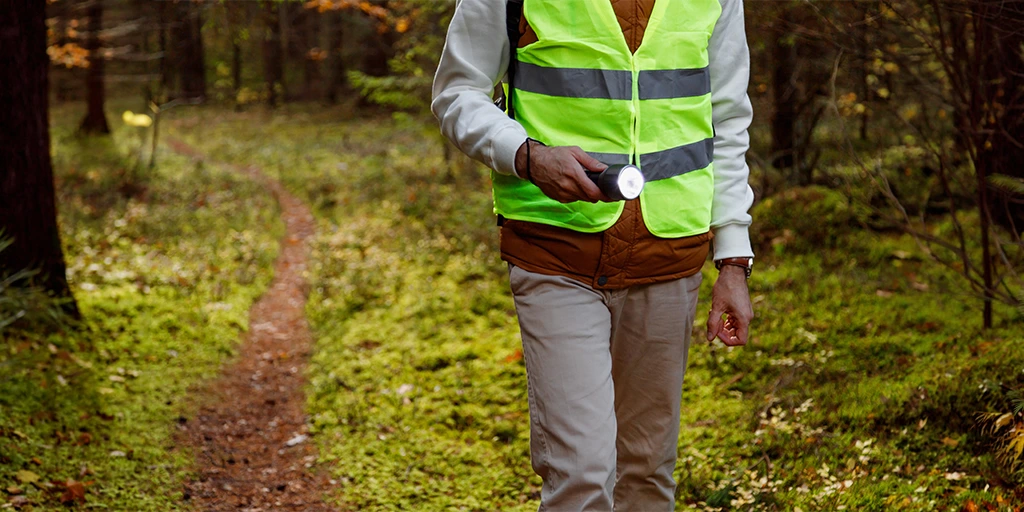
Create a Missing Child Emergency Plan
The odds of an autistic child wandering off is a whopping 50% – with one-quarter of incidents requiring some sort of emergency response. If you’re the parent of a child with autism, creating an action plan to find a missing autistic child – before they wander – is simply a must.
When an autistic child goes missing, everyone involved in their care should know their role immediately. The first thing you should do is search likely hiding spots (see below). Based on your autistic child’s past behaviors, you probably have a good idea of where these are, so list the search areas in your plan ahead of time.
Every adult in your household should be involved in the search. Assign roles so that searching, calling for help, and checking technology can all be done at the same time by different people. If relevant, include other authority figures in your kid’s life, such as teachers, relatives, and other caregivers. If you have other children, they can help, but make sure to double-check any of the places that they say they have already searched.
Provide everyone with a copy of your pre-prepared emergency information package; you should keep copies ready at home and on your phone. It should include:
- Name and age
- Recent photo
- Physical description
- Emergency contacts
- Medical information (including level of autism)
- Communication style (e.g., non-verbal, language preference)
- Favorite places
- Triggers and sensitivities
- Calming methods
- GPS device details
Stay Calm and Act Immediately
What to do if an autistic child goes missing? The key is to act fast. Once it’s certain that you are dealing with an incident of autistic child elopement, the first minutes are critical. That’s because your child is most likely to be on foot but not running. You probably won’t know how long they have been missing (unless you have a video autism monitoring device), yet there’s a good chance that you will be moving much faster and can find them relatively close to home.
It’s alarming but try to take a breath, avoid getting panicked, stick to your autism wandering emergency plan, and begin the hunt right away. Check the most obvious spots, particularly if your child has shown a tendency to head in a certain direction: within your home (especially closets), yard, vehicles, and other familiar hiding spots. If you lock your doors – and you always should – check if one of them is unlocked. Put your detective cap on.
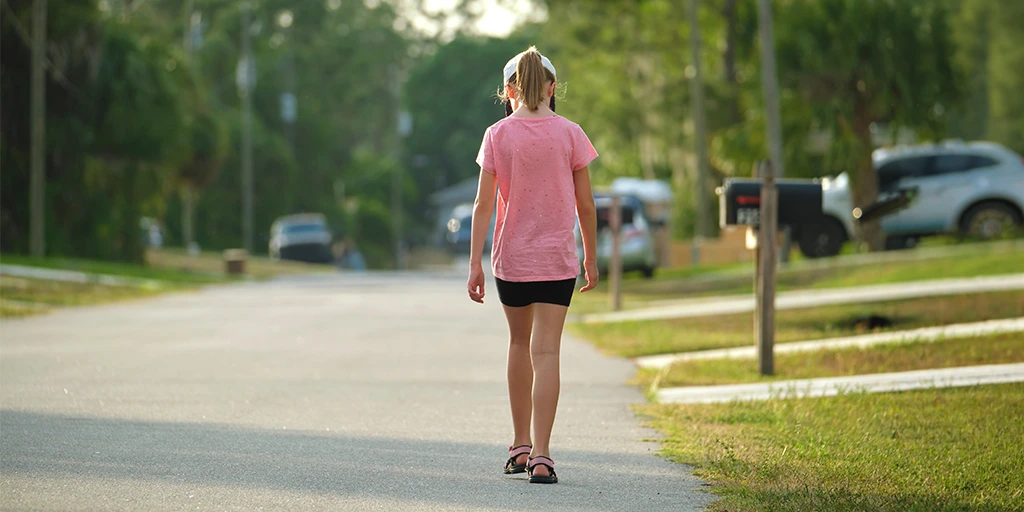
Call 911 and Report the Child Missing
Once you’ve completed an initial search, it’s time to call in emergency responders. The 911 operator will dispatch police and/or firefighters to your house, and announce to every other unit in your area to be on the lookout for your child.
Then the operator or other emergency personnel will ask you for more details. You can improve the accuracy of autism first responder information by expanding on the details listed in your emergency package. Tell them about any history of other wandering incidents, if relevant. Share the child’s vulnerabilities, communication abilities, and the best way to approach them safely. For example, some autistic kids automatically head towards water or the local park, or are unaware of the dangers of traffic. If you have figured it out already, tell the operator and the police about how the child got out of the house, because this might give them a starting point for tracking your child with dogs, or at least form a theory of where your child is headed.
Finally, in case you happened to notice, give emergency responders a description of the clothing your child was wearing when you last saw them.
You can also expect questions such as:
- Does the child respond to their name, and will they understand instructions?
- Do they have a history of running from strangers or hiding when scared?
- Is it possible that sirens will cause them to run?
- Is there a best method for communication, for example, AAC?
- Are there certain phrases or items that they like, in order to calm them down?
- Does your child avoid eye contact?
Search High-Risk Areas First
Search, search, and search some more. Start with the most dangerous areas such as bodies of water, including pools, ponds, and lakes. If you live in an urban area, search nearby roads, parking lots, train tracks, construction sites, wooded areas, and unfamiliar buildings. You can narrow your search by considering your child’s sensory preferences, routines, and favorite places to guide the search. Are they drawn to quiet areas like deserted playgrounds, or noisy ones like a highway? Did you ever visit a certain store that they really enjoyed? Take a moment to breathe and think: you might suddenly remember a certain event or spot where your child found some sensory pleasure. If you get any ideas, share them with first responders, and make sure that you are frequently in an area with good cellular coverage in case somebody tries to contact you.

Alert Neighbors, Schools, and Trusted Contacts
A vital component of missing autistic child prevention and rescue is the assistance of your help network. It’s more than ok to let your autism emergency contacts adopt a more active role and help out (it takes a village, right?). They may include neighbors, relatives, school staff, therapists, bus drivers, local friends, community centers, nearby businesses – even the mailman.
Hopefully, you have a group chat set up in case of these emergencies. Update your contacts periodically and ask them to keep an eye out for your child. Some of the more empathic ones might even volunteer to help search. Make sure this network has all the essential information about your child, such as a recent photo, clothing description, possible destinations, and clear instructions not to chase or shout if that may scare the child.
Use GPS Tracking, Phones, and Recent Location Clues
Another important element to any autism elopement safety strategy is the use of autistic child safety tools. GPS tracking devices like AngelSense are custom-made for autism wandering prevention. But there may be other devices that you or emergency responders can access for discovering your child’s last known location and direction of travel, such as:
- Mobile phone location sharing
- Smartwatch location history
- Other forms of recent digital activity that might contain your child mentioning their intention to leave the house
- Home security and doorbell cameras
- Similar devices in the homes of your neighbors
- Municipal security devices such as street cameras
What to Do When Your Child Is Found
If you or another caretaker is the first to find your child, it’s important to approach them gently. Nobody yet knows what your child endured while they were lost, especially after potential exposure to heat, cold, water, traffic, falls, or long periods outdoors. Make sure to check them for injuries, give them a drink, and take care of any physical discomfort caused by the elements. There’s a possibility that you will need to take your kid to an emergency room or local doctor. If possible, reduce their sensory input and give them one of their preferred calming items.
In case you called 911, immediately notify the authorities. You can expect that they will want to at least see the child and might ask you (or them) some questions needed for a report. If your child is not capable of answering at this moment, ask the police to delay the process.
Focus first on comfort, medical needs, and emotional reassurance rather than blame or punishment. You will have no real way at the moment to understand if your child has endured any trauma, so at this stage, emphasize emotional reassurance and safety first. Later on, once everyone is calm and you have more information about what happened, then you can decide on potential consequences.
Improve Wandering Child Safety Measures with a GPS Tracker
At every stage of an autism safety plan, there is a single technology that might make the difference between a quick resolution and an ongoing crisis. An autism GPS tracker allows you to know where your child is at all times, and whether they are hiding in your home or far away from it. In many circumstances, GPS tracking tools such as AngelSense can help to avoid emergency situations in the first place with features like:
- Remotely-activated alarms, microphones, and speakers that you can hear if they are nearby
- A smartphone application with autism location tracking and real-time updates so that you can see where your child is at that very moment
- Automatic (and manual) geofencing which sends an alert to your phone if your child leaves that area
In addition, assistive technologies like AngelSense allow you to connect and communicate with emergency responders. The AngelSense app includes features that enable location and photo sharing. These devices are actually already part of many law enforcement agencies’ search and rescue tools.
In addition, AngelSense specifically designs wearable solutions that won’t irritate a child with sensitivities. With a comfortable solution, your child might be carrying the GPS tracker even when they wander.
Review What Happened After the Incident
After the child is safe and everyone has had a breather, take the time to debrief and search for the apparent gap in your safety measures. It’s about preventing a repeat in the future, rather than assigning blame.
After all, some people with autism manage to wander despite even the strongest security measures that you can reasonably take at home. Some kids leave at night when everyone is sleeping; the alternative would be to post a 24-hour guard, which is obviously not realistic.
Still, looking for areas to improve can’t hurt. If other family members have been part of your autism wandering prevention plan, then go over the following questions together:
- Is there an event or incident that triggered the wandering, such as sensory overload, disruption to schedule, a conflict at home, or an incident outside the home?
- How did the child get out of the house, where did they go, and what route did they take?
- What parts of your autism safety plan did not function as intended?
Implement your conclusions immediately. You might need to change door locks, supervision routines, school protocols, transportation plans, or communication systems. Lastly – don’t forget to thank all of those people who supported you.
Preparation Helps Families Respond Faster
No family ever expects to face the fear of a missing child — but preparation can make an enormous difference when every second counts. Having an autism-specific emergency plan in place helps everyone respond faster and more effectively, from parents and caregivers to schools, neighbors, and first responders. When the people around your child understand their communication style, sensitivities, favorite places, and safety risks, search efforts become more focused, coordinated, and safe.
Just as importantly, prevention and preparedness help support both safety and independence. Tools like GPS tracking devices, clear communication plans, secure routines, and community awareness can reduce risk while still allowing autistic children the freedom to explore and grow. And as a caregiver, learning about autism-related safety should be an ongoing process. Taking the time to stay informed about wandering, autism water safety, meltdowns, sensory overwhelm, and other common emergency situations can help you feel more confident and better prepared for whatever comes your way.
Most importantly, remember this: you do not have to handle these situations alone. With the right plan, the right support system, and the right tools, families can respond quickly, stay calmer under pressure, and improve the chances of bringing their child home safely.
Get peace of mind from AngelSense, the groundbreaking AI-based assistive technology designed to enhance safety and peace of mind for individuals with special needs and their families. Our solution ensures you stay connected with your loved ones, empowering a higher level of independence while maintaining safety. Learn more about how AngelSense can make a difference for your family.