GPS Watch or Autism Tracking Device? How to Choose the Right One for Your Child
Updated on September 28, 2026 Listen to the Podcast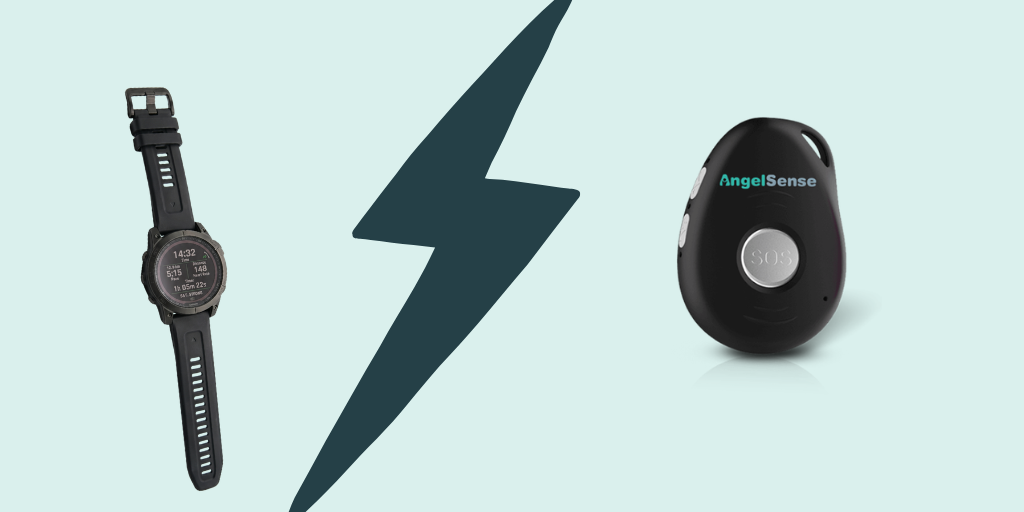
GPS trackers that can be worn by autistic people are available in many forms, with two of the most popular being watches and wearables. Choosing between a GPS tracker watch and an autism tracking device can feel overwhelming—especially when both promise to keep your child safe. At first glance, they seem similar: both offer location tracking, alerts, and wearable convenience. But many parents quickly discover that not all child safety tracking devices are created equal. The differences go far beyond features on a checklist—they come down to how each device is designed, who it’s designed for, and what happens in real-life safety situations.
In this guide, we’ll break down exactly how a GPS watch compares to an autism tracking device, from everyday usability to critical safety capabilities. You’ll learn where each option shines, where they fall short, and how to choose the right solution based on your child’s unique needs. Whether your priority is independence, supervision, or a balance of both, understanding these key differences can be life-changing.
What Is a GPS Tracker Watch?
A GPS tracker watch is a device that uses a system of global satellites (global positioning system, or GPS) to track a person’s location, usually in the form of a wristwatch. Because they are computerized, these devices can also be described as a smartwatch.
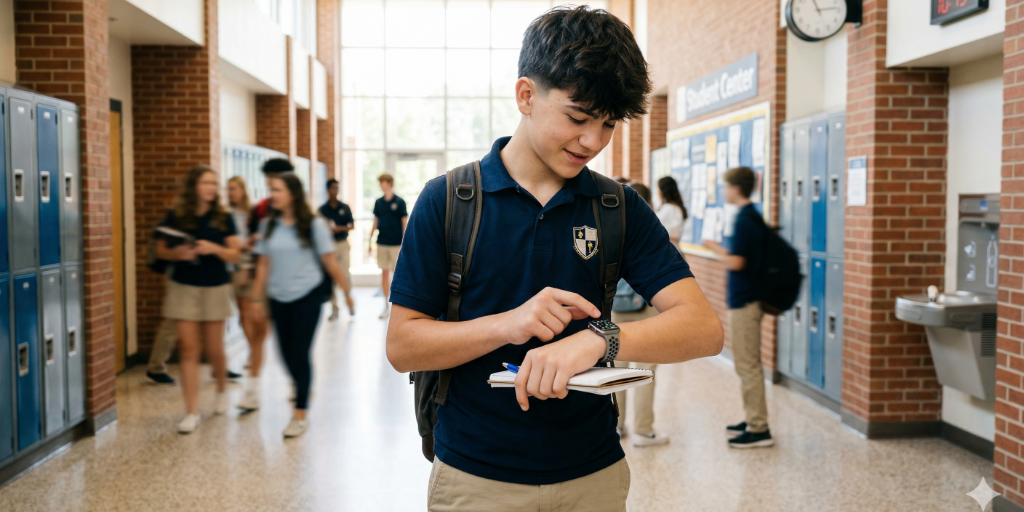
There are many kinds of GPS smartwatches for kids, and they are typically designed for general use by older children. The most common are the “mobile phones on a wrist” models, such as the Apple Watch. They are loaded with features that enable calls, messaging, and numerous applications. They also work as a geofencing GPS watch, with the ability to send an alert if the watch leaves a certain geographic boundary. These watches are usually not meant for rough and/or outdoor use.
And then there are GPS watches that focus mainly on tracking and navigation. Compared to an Apple Watch, for example, they are far more rugged and durable but offer fewer features. For example, Garmin watches do not provide geofencing.
Due to their limitations, many GPS watches for autistic children are often not the best choice – particularly for younger kids, or those at Levels 2 or 3 on the spectrum.
What Is an Autism Tracker Device?
Autism tracker devices, in contrast, are purpose-built safety tools designed specifically for autistic individuals or those with special needs. As a form of wearable GPS tracker for kids, they are somewhat similar to GPS tracker watches in that they also rely on satellites. But there are significant, powerful differences between a kid’s GPS watch vs. trackers that you should be aware of:
Caregiver-First Functionality
Manufacturers of GPS watches “discovered” their potential use as a method of real-time tracking for autism, while autism trackers were originally designed for it. That’s why, for example, the application used to receive caregiver monitoring SOS alerts allows you to connect with first responders from the same application.
Real-Time Alerts
Receiving immediate notifications that an autistic person is wandering is critical. Taking action as soon as an alert is sounded increases the chance of finding that person before something unfortunate happens. But this means continuous tracking in ways that GPS can’t deliver, i.e., when a person is in an area where satellite signals don’t reach. Sophisticated autism trackers have the ability to automatically switch to Bluetooth or WiFi to maintain steady tracking.
Simplicity
GPS watches are small by necessity. Using their features requires being able to press small buttons, which can be difficult for people with autism. Even more importantly, they can be complicated to use. In comparison, a special needs GPS tracker trades off a slightly larger size for buttons that are easier to manipulate, as well as super-simple, intuitive controls.
Sensory-Friendly Design
Watch rash is a real thing. Even a comfortable watch tends to leave marks, feel too tight, or move around on your wrist. For many people with autism, the sensation of wearing a watch is unbearable. But customized autism trackers from leading manufacturers are available with carrying options to suit virtually any kind of sensitivity.
Tracking & Safety Capabilities Compared
If an autistic person has gone wandering, it is absolutely essential to find them as quickly as possible. For this reason, an important aspect of any autism safety device comparison is its “accuracy”. You can think of this in two ways:
Update Frequency
For some GPS watches, it is up to the user to set update frequency, i.e., how often the device contacts a satellite. To save battery life, many products have this feature. But, when somebody is on the move, occasional updates mean that they could be far from their last known location. That is unacceptable in an emergency situation.
In contrast, the update frequency of the top GPS trackers for autism can be adjusted by the app user. For instance, AngelSense has a “Runner Mode” where update frequency can be set by a caretaker. In normal mode, the device can sense if the user is within a geofence, and only update every 30 minutes to save battery power.
Proprietary Networks
Some watches might only be able to access satellite signals for tracking. And, there are devices that also depend on a “proprietary network” for location. In other words, to find a GPS smartwatch that has gone missing (as has its user), only other devices from the same company will detect the watch’s signal.

Communication & Interaction Differences
One aspect of GPS tracker watches that seems to put them ahead of autism trackers is their many digital capabilities. These devices are much like phones, allowing calls, messaging, sophisticated apps, and even games.
But the safety focus of autism trackers means that these features are less important than a simple and robust tracking/communication solution. Considering the range of abilities in the autistic community, autism trackers must accommodate those with sensory or cognitive challenges. They are built around features such as one-touch calling, auto-answer, and caregiver-controlled contact lists.
Autism trackers sacrifice some of the fancier aspects that you might find in a smartwatch – even if an autistic person could use them – to give families a foolproof device that won’t be complicated to use in an emergency.
Wearability & Sensory Considerations
However, the opposite is true when it comes to carrying the device. Obviously, watches are worn in one way – on the wrist. In comparison, good autism trackers are available with many carrying options.
The industry offers two types of watches, each with its advantages and drawbacks:
- Slim-form – Lightweight, less pull on clothing, but are more delicate and have a shorter battery life.
- Heavy-duty – Tougher, larger buttons that are easier to manipulate, but get in the way more often.
Each design can be problematic for autistic people, who might be relatively less coordinated and need a robust product, but at the same time dislike a large, bulky device.
For this reason, high-quality autism trackers provide a large number of wearing options, which include:
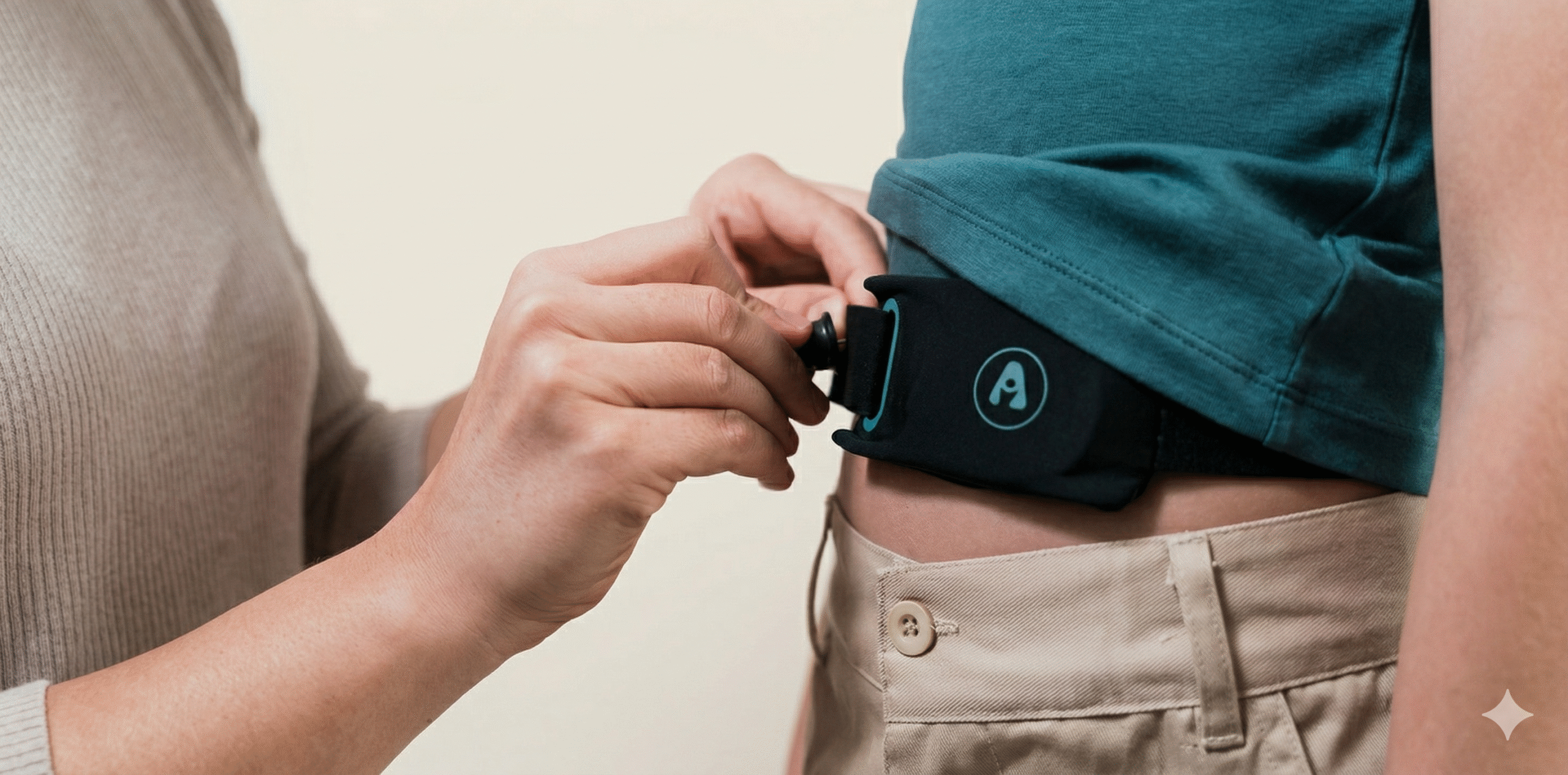
- Clip-ons, fasteners, pouches, lanyards, and belts
- Concealable in customized clothing like shirts and armbands
Caregivers can also go for devices that are resistant to tampering and difficult to remove.
Core Difference: Purpose and Design Philosophy
Despite all of the limitations of smartwatches vs. autism tracker devices in terms of safety and ease of use, they are still a viable pick in the right situation. We can sum up the main contrast between these tools in a phrase: choosing between independence and supervision.
GPS watches serve multiple purposes such as communication, entertainment, and fitness. They are relatively complicated to use, especially with all the apps that enable these functions. If your child has shown the ability to work with such tools before, then smartwatches might be a great way to go. Chances are that they will be a better fit if your child is relatively independent and older. This tool will build on their skills, particularly when it comes to gradual emotional growth and communication.
Take the case of Morgan, a 31-year-old woman with autism. Before starting with AngelSense, neither Morgan nor her mother had the confidence to take concrete steps towards independence. But, with an AngelSense watch, Morgan can now go shopping on her own, while her mother feels free enough to leave Morgan unsupervised.
In contrast are autism tracker devices, which are primarily safety tools. Caretakers who adopt autism trackers are looking for solutions that enable constant monitoring, often for children who are at high risk of wandering. With the painful likelihood of this occurring, no matter how much a parent acts to prevent it, a second major benefit of a tracker is coordination with emergency responders. And of course, the design factor: that these devices prioritize comfort, tamper resistance, and sensory issues truly sets them apart from generic products on the market.
A case in point is that of Kaedyn. As a non-verbal 11-year-old with severe autism, he was once put on the wrong school bus, and it took more than an hour to find him. Kaedyn’s mother was reluctant to ever let him return to school. But she found a solution in AngelSense, with a particular interest in its proactive alerts, one-way speakerphone, and easy options for communicating with emergency personnel. And due to Kaedyn’s condition, it was imperative to use a device that he could not remove, and so he wears his monitor on a belt.
An Ideal Compromise: AngelSense Wearables
Watches are an excellent option for older autistic people, and often for those at Level 1. After all, it’s incredibly convenient: the device is essentially at the wearer’s fingertips, making its features easily accessible. Not to mention, your child might just really like the way it looks – like any other smartwatch.
That’s why AngelSense is the perfect choice for autism trackers. It delivers all of the life-saving and empowering capabilities of GPS trackers, like real-time location updates, Bluetooth/WiFi connectivity, automatic geofencing and alerts, an intuitive caregiver app that shares info with first responders, and even phone and messaging functionality. With all of its many wearing options, AngelSense accommodates users who might want a watch, as well as those who require something that addresses sensory issues by wearing the device in a place that does not irritate them.
Device Choice Depends on Different Demands
When it comes to choosing between a GPS tracker watch and an autism wandering prevention device, there is no one-size-fits-all answer. Neither option is inherently “better”—the right choice depends on your child’s unique needs, abilities, and daily environment. For some families, a smartwatch can support growing independence and communication. For others, a purpose-built autism tracking device provides the level of safety and caregiver support that offers true peace of mind. Ultimately, the decision comes down to aligning the device with your priorities: independence, supervision, or a thoughtful balance of both. By focusing on how your child interacts with technology, their level of awareness, and potential safety risks, you can confidently choose a solution that fits your family’s reality.
Get peace of mind from AngelSense, the groundbreaking AI-based assistive technology designed to enhance safety and peace of mind for individuals with special needs and their families. Our solution ensures you stay connected with your loved ones, empowering a higher level of independence while maintaining safety. Learn more about how AngelSense can make a difference for your family.