National Family Caregivers Month: Ways to Recognize and Support Caregivers
Updated on October 13, 2026 Listen to the PodcastNovember is National Family Caregivers Month, a time to recognize millions of parents, relatives, and loved ones who take on one of the most selfless roles in society. Family caregivers provide unwavering support, yet the weight of this responsibility is often invisible. Fatigue becomes routine. Personal time disappears. Social circles shrink. And the financial strain—both in lost work hours and out-of-pocket expenses—adds another layer of stress.
This month is not only a recognition of their dedication—it’s a reminder that family caregivers deserve care, too. They need tools, resources, and support systems that ease the daily burden and give them both peace of mind and the freedom to reclaim time for themselves. That’s where technology like AngelSense makes a meaningful difference. By providing real-time monitoring, proactive alerts, and a reliable way to know where a child is and if they are safe, AngelSense reduces the mental load that so often consumes caregivers’ days. Because supporting caregivers is not just about helping them care for others: it’s about helping them thrive.

What Is National Family Caregivers Month?
National Family Caregivers Month is a November observance dedicated to recognizing people who care for family members and friends. It highlights both the contributions caregivers make and the support they need, including information, community connection, practical assistance, and opportunities to take a break.
Caregiving takes many forms. It may involve helping an aging parent, supporting a partner with a health condition, or caring for a child or adult with a disability. For families of autistic people, it can also include advocating for services, coordinating daily routines, and helping a loved one participate in school and community life.
Family caregivers shoulder immense emotional, physical, and financial burdens, saving the economy hundreds of billions of dollars while often paying thousands out of pocket themselves. This is why National Family Caregivers Month exists—to shine a light on their contributions and advocate for the support they deserve. Each year, the campaign raises awareness, guides policy, and drives meaningful investment—such as the federal funding allocated to caregiver support programs. Organizations like the Caregiver Action Network unite nonprofits, companies, resources, and this year’s “Plug-In To Care” initiatives to ensure caregivers have access to the tools, knowledge, and assistance they need.
Family Caregivers and Autism Support Services
Who exactly qualifies as a family caregiver? There can be many types and in different roles, but generally a family caregiver is a family member who supports a person who cannot do so independently, all without getting paid. Most family caregivers also have a job outside the home and spend an average of 24 hours each week caring for that person. Family caregivers aren’t only supporting aging parents—they are also caring for children, teens, and young adults with complex needs, including autism, which requires a different level of daily involvement and advocacy. National Family Caregivers Month recognizes this wide spectrum of caregiving roles, highlighting that families across all stages of life need resources, guidance, and emotional support. Through initiatives like this year’s Plug-In To Care campaign, caregivers of autistic individuals can access essential organizations and tools that offer education, crisis support, community connection, and practical assistance.
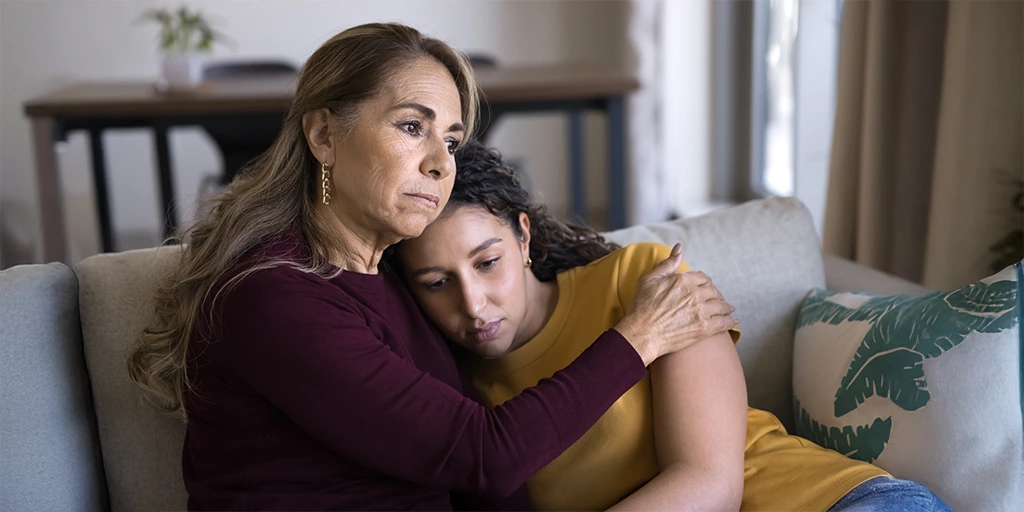
Challenges Faced by Family Caregivers
The demand for caregiving in the autism community is only growing. Since 2020, the number of developmental/intellectual disorders has increased from 9% to 11% of all people who receive help from caregivers. Regardless of whether you’re an experienced caregiver or taking it on for the first time, caregivers face an enormity of challenges – ranging from the logistical to the emotional. It’s crucial to be aware of these potential struggles, as it can make a big difference in your caretaking experience:
- Finances – in addition to missing work, caregiving can involve unforeseen expenses such as mobility equipment and adaptations to the home
- Physical health – fatigue is a common issue among caregivers, and it’s important to be aware of potential dangers like accidentally hurting yourself while moving furniture or physically supporting somebody
- Isolation – long hours spent away from family, friends, and coworkers while helping a relative can result in feelings of loneliness or depression
- Stress – the time you spend caring for someone might come at the cost of other important responsibilities, social activities, and just taking a needed break
If you dive into caretaking without careful thought and planning, it can be a slippery slope to feeling like “losing oneself” – which is why it’s so important to remember to care for your own needs as well. By preparing yourself with the right information, advocacy, and support tools, caregiving for autistic individuals can be a more rewarding – and less exhausting – endeavor.

AngelSense: Technology that Cares for Caregivers and Loved Ones
The goal of Family Caregivers Month is twofold. The first goal is to help caregivers with resources that make their lives easier, and the second is to enable them to better support loved ones in need.
AngelSense, a wearable assistive technology designed for people with autism, special needs, dementia, and Alzheimer’s, fits both bills.
For families, AngelSense provides:
- An AI-powered, real-time monitoring and proactive alert system
- Usage through a mobile app that can be easily operated by multiple caregivers
- Auto-pickup speakerphone so that the caregiver can initiate communication
- Location tracking options that include departure from set locations (geofencing), notification of delays, travel speed, and ETA
- Emergency tools such as connectivity with first responders and real-time location sharing
For individuals with autism, dementia, or other cognitive challenges, AngelSense provides:
- Intuitive controls such as an SOS call button for immediate activation
- Everyday living supports such as a pill reminder and step counter
- School solutions like administrator access and silent mode
- A device that is comfortable to wear and does not trigger tactile sensitivity
For many families, AngelSense has been nothing short of transformational—sometimes even life-saving—by enabling caregivers to quickly locate a loved one during moments of crisis. But its value extends far beyond emergencies. AngelSense brings everyday peace of mind. It minimizes the constant mental calculations of Where are they? Did they leave school yet? Are they safe on the bus? With reliable, real-time updates, caregivers can reclaim hours once spent waiting by the door, refreshing apps, or making anxious phone calls. These spare moments add up to something caregivers rarely get: time to rest, focus, breathe, and simply be.
Individuals with autism and other cognitive challenges benefit just as much. AngelSense supports their independence and confidence by ensuring that help is always within reach. Whether navigating school, transit, or community settings, they gain a layer of safety that empowers them to explore the world with greater freedom. Tools like silent mode, administrator access for schools, and the SOS button make AngelSense a comfortable, seamless, everyday companion—not just an emergency device.
As we observe National Family Caregivers Month, it’s important to acknowledge that caregiving should never be a path walked alone. Families deserve support systems that honor their devotion while lightening the load they carry. AngelSense is one such system—offering reassurance for caregivers, independence for loved ones, and a bridge between safety and self-care. This month and every month, we celebrate caregivers not just for what they give–but for what they deserve: compassion, community, and care.
FAQ
National Family Caregivers Month takes place November 1–30, 2026. The observance is held every November in the United States.
It recognizes family caregivers, raises awareness of their responsibilities and challenges, and connects them with support and resources.
Yes. Family caregiving includes supporting children and adults with disabilities, including autism. Parents and relatives providing that support are part of the wider caregiver community.
Ask what would help, then make a specific offer. Preparing a suitable meal, handling an errand, helping arrange a trusted break, or making time to listen can be meaningful ways to show appreciation.
The ARCH National Respite Locator is one starting point for finding services. Ask providers about availability, costs, qualifications, and experience supporting someone with your loved one’s needs.
Get peace of mind from AngelSense, the groundbreaking AI-based assistive technology designed to enhance safety and peace of mind for individuals with special needs and their families. Our solution ensures you stay connected with your loved ones, empowering a higher level of independence while maintaining safety. Learn more about how AngelSense can make a difference for your family.