Preparing Autistic Children for Emergencies: Safety Skills that Build Confidence
Updated on March 23, 2026
Teaching emergency awareness to autistic children is a key part of helping them navigate the world safely. Emergencies can take many forms — a fire at home or school, getting lost in a crowded place, a medical crisis, or an unsafe interaction with another person. These situations require quick recognition and clear action, which can be especially challenging for children with autism. That’s why building autism emergency safety and autism safety skills early is so valuable.
At the same time, many caregivers worry that talking about these topics might trigger anxiety or fear. The good news is that teaching emergency awareness to autistic children does not have to be frightening. When introduced thoughtfully, safety conversations can be truly empowering. Instead of focusing on worst-case scenarios, caregivers help children learn practical steps, recognize important cues, and practice what to do in a supportive environment. In fact, preparation often reduces anxiety — because children feel more confident when they know what to expect and how to respond. In the guide below, we’ll explore simple, step-by-step strategies that build essential autism safety skills while keeping these discussions reassuring and positive.
Why Emergency Awareness Is Essential for Autistic Children
Calling 911 is only the first step in learning about emergencies. Many individuals with autism struggle to grasp the various aspects of risk and emergency preparedness, which is why it’s so important to go over it again and again. They may ignore social and other environmental cues indicating that something dangerous is about to happen, and their instinctive reaction may not be the safest. This is due to:
Communication Challenges
When an emergency begins, normally it is only those who actually see the problem act quickly to spread the word. But autistic people might not understand the message due to receptive language difficulties. Or, if they do recognize danger, they might have trouble asking for help.
Sensory Processing
One form of sensory processing disorder is hyposensitivity, where the autistic person does not react to, for instance, the intense noise and action of an emergency. In response to sensory overload (due to danger or some other factor that causes stress), an autistic person can wander, which in itself creates a secondary emergency.
Social Understanding
Social-emotional agnosia is a rare condition linked to ASD that prevents someone from understanding facial expressions. In general, autistic people have difficulty understanding social signs like tone of voice and body language. So if someone tries to remain calm during an emergency, an autistic person might interpret this as a sign that there is no immediate danger.
Understanding Anxiety Triggers Around Safety Conversations
With all that said, some autistic people will react in an opposite manner compared to those described above and react when even hypothetical emergencies are described and discussed. For some, simply talking about risky situations can trigger panic. There are many reasons for this common connection between autism anxiety and safety. That’s because a core trait of autism is literal thinking and strong imagination. For example, if you are explaining about autism fire safety, you might say something like: “Let’s say the house catches fire.” An autistic person is liable to imagine the whole house aflame, instead of a blaze starting in a single room, which is a more logical interpretation. This tendency is called catastrophising.
Another factor that causes panic is post-traumatic stress. Some experiences endured by people with autism, such as neglect, bullying, and sensory meltdown, subsequently turn into a PTSD-type response to anxiety. This stress can be triggered by the potential anxiety that arises during a discussion about safety. Symptoms can include irritability, anger, and a high level of nervousness. In fact, the greater chance that an autistic person will interpret certain events as highly stressful results in a statistically high incidence of PTSD.

Teaching Safety Skills in a Low-Stress Way
Autism safety education is not an easy undertaking. Caretakers need to create and deliver a message that is useful, memorable, and simple, but without causing stress. Here are a few best practices when having these important, yet delicate, conversations:
Adjust Your Message to the Individual
Is your child usually anxious, or more towards the hyposensitive side? Are they post-traumatic? The answers to these questions will affect how delicately you need to discuss safety issues, and what steps they should take during an emergency. For instance, if your child is non-verbal, or might have trouble speaking under stress, then they should carry laminated cards stating so, and perhaps some safety-related, calm-response questions/statements as well.
Use the Right Verbal Approach
A neutral tone of voice and predictable language are good starting points for safety discussions. For example, use phrases like “problem”, “loud voices”, and “safe place” instead of “crisis”, “screaming”, and “emergency exit.”
Incorporate Visual Supports and Social Stories
Many people with autism are visual learners. You can leverage this fact by including visual supports for autism safety, such as checklists, storyboards, and pictographs. An example could be an emergency evacuation plan in case of fire. These tools can be created at home to fit your domestic setup, while generic ones are available online.
Similarly, social narratives help make abstract safety concepts more concrete. There is a wide range of free online social stories available as downloads.
Practice with the Whole Family
You can even include safety teaching as part of your autistic child’s daily home routine. “Practice days” will make safety training feel more realistic, because emergency events usually affect everyone who is in the house at the time. Role-playing the situation helps them hone their skills in a stress-free environment.
One common approach is for everyone to have a specific role during an emergency, such as one person to call 911 and another to gather any pets. Similarly, a regular review of safety procedures will maximize the chance that everyone remembers what to do if the situation arises. Practicing also provides a chance to develop an autistic family emergency plan, so that family members know if there are any extra steps to take during an emergency (for example, checking that the autistic child is following instructions). Make sure to turn this into a positive experience by:
- Praising correct actions rather than focusing on mistakes
- Reinforcing cooperation through praise and other positives
- Ensuring that everyone uses a calm voice during rehearsals
Teaching Fire Safety, Calmly and Clearly
One of the most dangerous situations for an autistic person to encounter is a fire. Panicky people, the noise of alarms, and the smell of smoke can all lead to confusion and a potential meltdown. Fires often result in a power failure, and indoors, this means darkness (hopefully, emergency lights and signs will still be working). During a fire, everyone needs to act quickly and according to plan. To help your autistic child learn fire safety under these conditions, it’s better to roleplay short practice sessions a few times, rather than one big dramatic simulation. Be sure to discuss:
- What to expect when a fire occurs
- Recognizing that alarms are frightening and intimidating; one possible solution is to introduce the sound of an alarm at a low volume to avoid triggering hearing sensitivities
- Practicing exit routes at home and school, while also talking about what to do in a public place, such as looking for the illuminated exit sign, asking for help, and following instructions
- What to do in case of clothing catching on fire, namely, “stop, drop, and roll”; with practice, this move will become automatic
- Identifying safe meeting spots that are important for leaving a building in the right direction and helping first responders to know if anyone is still inside
Teaching How and When to Call 911
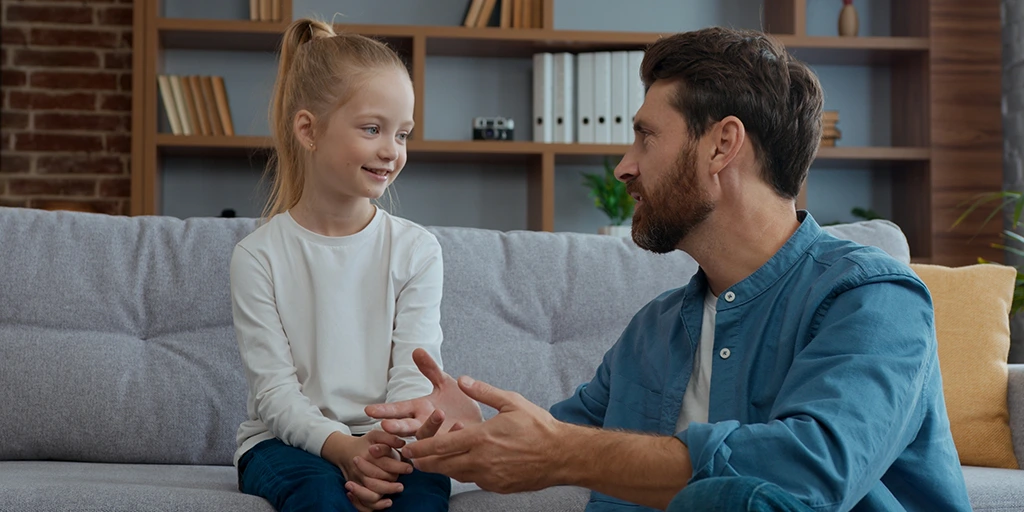
How do you teach 911 to a child with autism? Begin by explaining why calling 911 is important during a medical crisis, fire, break-in, domestic violence, and other circumstances.
An autistic person may not fully comprehend the seriousness of such a call. In addition to the embarrassment of first responders arriving needlessly at your door, misuse of 911 can result in a large fine.
For this reason, any conversation about dialing 911 should cover knowing how to recognize true emergencies versus everyday problems. Go over a variety of different situations, and ask your child whether it would be appropriate to call in each situation. Also, teach your autistic child about calling 911 both from mobile and landline phones (where relevant).
Finally, review what happens when a 911 call is made. Keep in mind that it’s the 911 operator who asks the questions and may request that your child stay on the phone as long as possible. Your child should know their full name and address, or have it posted somewhere near a phone. You can practice these calls and role-play scripted conversations.
Stranger Awareness Without Fear-Based Messaging
Bullying is only one of the social challenges faced by people with autism. Unfortunately, they also encounter relatively high rates of unwanted sexual contact, violence, and victimization.
A starting point for building autism stranger awareness is to talk about establishing safe interpersonal interactions – acceptable forms of behavior, expectations of how people might behave, and helping your child feel comfortable talking about their condition. You can also use this opportunity to discuss “masking” and how it leads to exhaustion.
From there, discuss how to recognize when a violation of what is “normal” occurs. Body safety rules for autistic people start with understanding boundaries and knowing actions to take when things seem to be going wrong. Teaching stranger awareness should focus on clear rules and practical actions, rather than creating a blanket fear of strangers. The goal is not to teach that “all strangers are dangerous.” Instead, it’s more helpful to explain safe and unsafe behaviors in simple, concrete language. Framing the discussion around what people do — rather than who they are — helps autistic children better understand social situations and respond appropriately. Explain that everyone has the right to feel safe and comfortable with their body. Use calm, direct phrases such as:
- “Your body belongs to you.”
- “If someone touches you in a way that makes you uncomfortable, you can say ‘No’ and move away.”
- “If something feels wrong or confusing, tell a safe adult right away.”
It’s also helpful to teach your child exactly what to do if they feel unsafe, using predictable and reassuring language. For example, you might say:
- “If you feel unsafe, go to a place with people.”
- “Find a worker or a uniformed helper and say, ‘I need help.’”
- “You can always call or message me if something doesn’t feel right.”
Talk about who your child can approach if they need help — such as teachers, store employees, security guards, or other uniformed staff. Visual supports or simple role-playing can help reinforce these ideas. For example, you might practice saying: “Excuse me, I’m lost. Can you help me call my parent?”
A Flexible Safety Tool for Any Situation
AngelSense is an assistive wearable technology designed to enhance autism wandering safety through GPS tracking, geofencing, and automatic alerts. Happily, it also provides critical benefits during many types of emergencies. AngelSense delivers a range of communication tools so that you can contact your loved one if you think they are in trouble, while they can similarly get in touch with you if they need a calming voice and advice. The device features an assistive speakerphone with automatic pickup that allows a caregiver to activate the phone and speak to the wearer, even if they don’t respond to a call. In case of emergency, you can easily share real-time location information from the AngelSense tracking function with first responders. Of particular use during a crisis is AngelSense’s SOS call button, which your loved one can use to immediately alert you to any danger that they potentially face.
Confidence Over Fear
Emergency awareness is ultimately about building confidence, competence, and calm responses — not fear. When safety skills are taught in a supportive and structured way, autistic children can learn to recognize problems and take practical steps to protect themselves. The key is to introduce these concepts gradually, using clear language, repetition, and strategies tailored to your child’s communication style, sensory needs, and learning preferences. Small, consistent practice helps these skills become familiar routines rather than stressful scenarios.
When autistic children know what to expect and what actions to take, they are more likely to respond calmly during unexpected situations. For caregivers, that preparation can bring invaluable peace of mind. With patience, practice, and individualized support, emergency awareness becomes another empowering life skill that helps autistic children navigate the world more safely and confidently.
Get peace of mind from AngelSense, the groundbreaking AI-based assistive technology designed to enhance safety and peace of mind for individuals with special needs and their families. Our solution ensures you stay connected with your loved ones, empowering a higher level of independence while maintaining safety. Learn more about how AngelSense can make a difference for your family.