A Parent’s Guide to the Best Autism Schools in California
Updated on March 12, 2026 Listen to the Podcast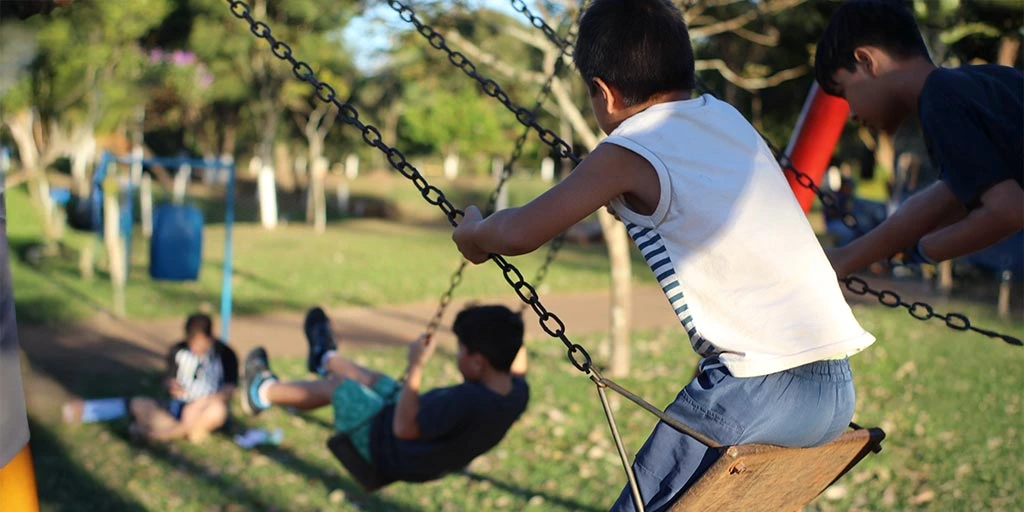
Finding the right school for a child with autism can feel overwhelming and deeply personal. Beyond academics, parents must consider communication styles, sensory sensitivities, behavioral support, and long-term developmental goals–not to mention price and location. While California offers a wide range of educational opportunities, not all schools are equally equipped to meet the diverse and individualized needs of students on the autism spectrum. Finding the right fit often requires careful research, school visits, and a clear understanding of what will truly help your unique child thrive.
The most effective schools for autistic children go beyond traditional classroom instruction. They prioritize individualized learning plans, emotional safety, communication support, and the development of practical life skills that prepare students for greater independence. Below, we’ve highlighted some of the top autism-focused schools across California–including what makes them stand out. Whether you’re thinking about private schools for autism, charter schools, special ed in public school, a therapeutic day school, or another type of framework–we’ve laid out the key questions and factors to consider when choosing the right educational model for your child.
Types of Autism Schools in California
California reports one of the highest autism prevalence rates in the country, at approximately 4.5% of children, compared to the US national average of 3.2%. This could be due to better diagnostic techniques, increased awareness, or simply the state’s large population. Whatever the reason, the high incidence of ASD has resulted in a wide range of autism-friendly schools available in a variety of models. These schools include:
- Private autism-specific schools, which offer high levels of support that include 1:1 teacher-student ratios. Within this category, you’ll find programs for all autism levels, depending on the institution. However, these schools tend to be expensive.
- Therapeutic day schools, which typically host autistic children requiring more intensive levels of care. Although they are privately-funded, the California government certifies that these schools meet state standards.
- Inclusive charter schools, which serve autistic students and are publicly funded, but operate specifically for those with special needs. They offer an affordable alternative compared to private institutions but still maintain a focused dedication to autistic students.
- Public special education programs, which take place in public schools. They are generally designed to support autistic people with a high level of social and academic ability. This is an advantage for kids who enjoy interaction and can handle advanced subjects.
Best Autism Schools in Northern California
Some of the best autistic schools in California are located in the northern part of the state. Although there are fewer people living there (which is a bonus if you want to avoid the congestion of LA, for example), Northern California has no shortage of schools for autistic teens. These are some of the most highly-regarded institutions:
1. East Valley Education Center
East Valley Education Center in Oakdale, which is a private school that provides a special education curriculum. It is available for children in grades 6-12, and has a student-teacher ratio of 13:1 (which is also the national average). Class sizes are small, with approximately 60 students enrolled in total.
East Valley is accredited to provide graduates with a high school diploma. The school emphasizes academic achievement and helps graduates find jobs. Student programs also promote “community involvement, personal wellness, global awareness, and social responsibility.” California’s School Accountability Report Card (SARCO) states that parents have a high level of involvement with the school.
2. The Kendall Centers
Another excellent example of autism education in California is a network of therapeutic day schools called The Kendall Centers. They have six locations spread throughout Northern California. The Kendall Centers are part of BlueSprig, an organization with tailored therapy services for children with ASD across the United States.
The focus of The Kendall Centers is Applied Behavioral Analysis (ABA) for children of all ages and at any level of ASD. Kids can attend day schools, but there are also options for receiving treatment at home or virtually. According to BlueSprig, treatment at one of their centers delivers (on average) a 90% reduction in severe behaviors.
3. Pine Hill Second Start
The Pine Hill Second Start school in San Jose is a private institution designed to cover all the bases. Their Edison Program serves more challenged children with therapies directed at improving emotional and behavioral abilities. Their Newton program is academically-oriented and directed at people with Level 1-2 autism.
One interesting aspect of the Newton Department is that its goal is to prepare students for (or return students to) regular classroom settings (hence the name “Second Start”). Grades K-12 are represented in both schools, with a student-teacher ratio of 7:1 and 87 students overall.

Best Autism Schools in Southern California
Southern California offers a wide selection of specialized autism schools and therapeutic programs. When considering one, take into account the types of skills and goals they prioritize, and for which levels of autism–for example, students with varying communication abilities and sensory needs. Leading institutions and programs in Southern California include:
1. Beacon Day School
Beacon Day School, which is a private institute in San Jose. With approximately 100 students, the majority of them people of color, Beacon Day has a 10:1 teacher-student ratio and covers grades K-12. Beyond that, it also offers programs to help older people transition to the workforce and live independently. Beacon Day combines many approaches to serve its students, such as meeting school district requirements, employing behavioral and instructional therapy, and working closely with families.
2. The Elliot Institute
The Elliott Institute in La Crescenta is a K-12 special education school (along with a transition program for adults), with only 26 students who enjoy a 2:1 teacher- student ratio. The Elliott Institute focuses on language and behavior intervention to improve outcomes (students do not receive a diploma). Aside from ASD, the Elliott Institute teaches children with other developmental issues such as ADHD, epilepsy, and cerebral palsy. Among the educational tools used by the Elliott Institute are ABA and TEACCH.
3. Opportunities for Learning
Opportunities for Learning (OFL) is a charter school with six locations in Southern California. It offers free education services to students above 14 years of age who have not found a good fit in a traditional learning environment. For people with autism, OFL works with the Partners for Special Education organization. This program is meant for individuals with mild to moderate ASD.
4. Speech and Language Development Center
Finally, the Speech and Language Development Center (Linden Oaks) is located in Buena Park. It is a non-profit organization that serves people with autism, as well as those who require mental health therapy or who are hearing-impaired. The Center helps students from preschool to age 22 with ABA, the application of ACC, and an adult day program to promote independence.
What Makes a School Autism-Friendly?
We’ve come a long way from the days of seeing autism as a kind of schizophrenia. While society once aimed to keep people with autism separate from the general public, thankfully today it’s become clear that support and development are the way to go.
An integral part of this effort is special education and autism schools. There is no denying it: autism-friendly schools stand apart from traditional educational settings in countless ways, from the training of the staff to the therapies to the class size. Yet, in some parts of the country your choices may be limited, particularly if there are not enough students with special needs to justify an entire school or class. But regardless of the framework you choose, the key is to focus on what factors are most important for your child’s unique profile – rather than a national ranking. Consider these aspects when assessing any school:
Class Size
Small class sizes enable more dedicated time per student. This is one of the most common measures of school quality and developmental success.
Individual Instruction
Although it’s not always possible or necessary, a small class size lends itself naturally to greater one-on-one, personalized engagement with educators, therapists, and other professionals.
Staff Abilities
Trained special education staff who understand the needs of autistic children is essential. On many school websites, you can read the professional profiles of teachers and therapy experts to get a clearer idea of their qualifications.
Routines
Structured routines reinforce predictability and safety. Many autistic students thrive with predictable routines, and autism-focused schools typically prioritize structure, safety, and consistency.
The Environment
A quality school will have attentive teachers, classrooms that reduce the risk of sensory overload, and even tools for sensory enjoyment. Prospective parents are usually offered an opportunity to observe student engagement and the general class setup.
Therapies
Many institutions combine different types of on-site therapy with the educational routine. This integration is valuable to back up your child’s progress–not to mention boost convenience for caretakers.
Parental Involvement
Strong home-school communication allows parents to have a clear picture of their child’s progress, and enables families to build on what is learned in class when the child is at home.
How to Choose the Right Autism School for Your Child
When picking a school, always think about what’s best for your child in the long run. For example: What is your child capable of? What are their weaknesses? If they are expressive, what do they want to do?
There are many ways this can play out. Are they more interested in developing a vocational skill, building relationships, or learning how to live on their own? These are some of the questions to think about when choosing the right school for your (and the child’s) goals:
- Vocational Readiness – entering the workforce with a job that they enjoy and is suited to them, and where they will be respected
- Inclusion – having an active social life, with an emphasis on forming healthy relationships
- Independence – the ability to live on their own, and with minimal help, in everyday life, maintaining a home, and staying healthy
Once you have a long-term vision, choosing a school becomes easier. Some of the institutions described above have, for example, well-defined programs to transition into an independent adult life, or a focus on identifying and training for a job.
Safety, Transitions, and Daily Support at School
Regardless of your choice, sending your autistic child to school presents a new challenge. Even if you drive them back and forth, the risk of wandering is always present. Here are just a few situations that can cause your child to leave school grounds:
- Anxiety and meltdowns
- A bullying incident
- A momentary lapse of security, particularly during recess or lunch time
- Difficulty with transitions between activities
- School trips
For these reasons and more, it’s important to always have a safeguard. Tools like AngelSense support school safety and caregiver peace of mind without replacing educational or therapeutic strategies. Assistive technology that supports location awareness and communication can provide reassurance in critical situations:
- Before or during a crisis, AngelSense features like the SOS call button and two-way communication allow your child to easily contact you
- Proactive alerts automatically let you know when something is wrong; for example, AngelSense uses AI to understand the normal locations for your child, and tells you when they have exited them
- In an emergency scenario, AngelSense tracks your child in real-time and helps you to communicate with school officials and first responders
Finding the Best Fit, Not Just the Best School
Ultimately, the best school is not defined by a ranking or reputation alone, but by how well it aligns with your child’s individual strengths, challenges, and long-term goals. Every autistic child has a unique profile — different communication styles, learning preferences, sensory needs, and aspirations for the future. A school that helps one student thrive may not be the right fit for another. That’s why it’s so important to consider the full picture – i.e. the school environment, support systems, and program philosophy, among others – rather than simply choosing the most well-known option.
As your child grows and develops, their needs may change — and the right educational setting should grow with them. When families, educators, and therapists work together, supportive school environments can nurture confidence, build independence, and lay the foundation for long-term success. With thoughtful planning and collaboration between families and educators, you can find a school that empowers your child to grow, learn, and thrive.
Get peace of mind from AngelSense, the groundbreaking AI-based assistive technology designed to enhance safety and peace of mind for individuals with special needs and their families. Our solution ensures you stay connected with your loved ones, empowering a higher level of independence while maintaining safety. Learn more about how AngelSense can make a difference for your family.